The ICBC Class 7L knowledge test has 50 multiple-choice questions; you need 40 correct to pass, within 45 minutes. You can take it at a driver licensing office or online, in several languages. This practice test uses the same format: 50 questions, 40 to pass, 45 minutes.
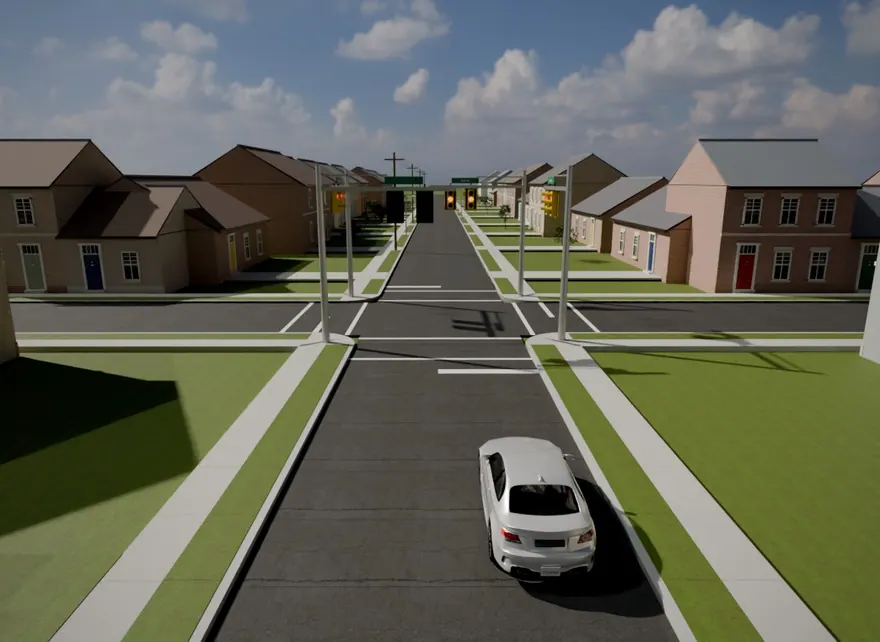
1The light turns yellow as you approach an intersection. What does it require?
Explanation
Yellow means the light is about to turn red: stop if it is safe, and only if you are too close to stop safely should you continue with caution.
Ontario MTO Driver's Handbook — Traffic lights (yellow light)
Applies in Ontario, British Columbia, Alberta
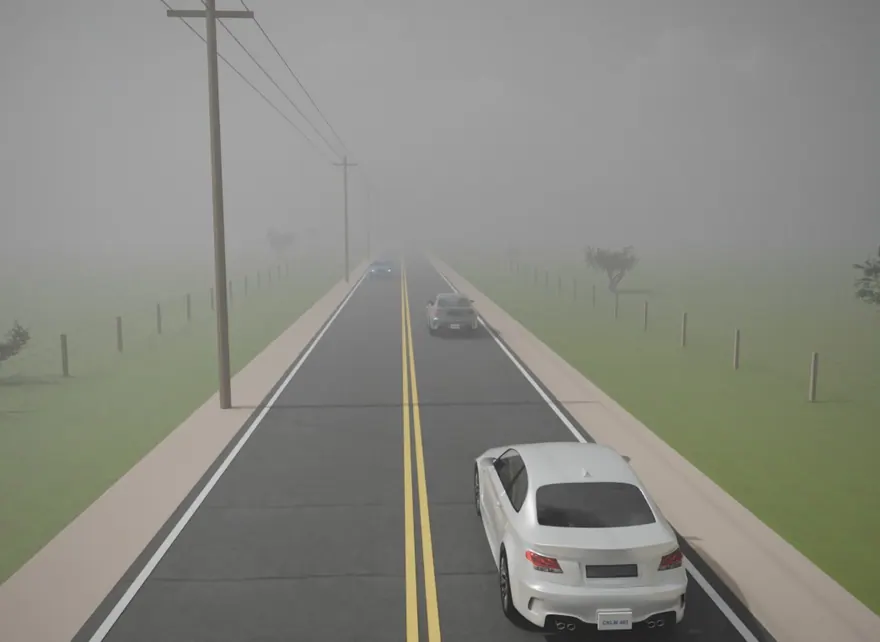
2In daytime fog you cannot clearly see people or vehicles ahead at a certain distance. At what visibility must headlights be on?
Explanation
Ontario, BC and Alberta all use 150 m as the visibility trigger for headlights (not just daytime running lights) in fog, rain or snow.
Ontario HTA s.62; BC MVA; Alberta Driver's Guide (lights)
Applies in British Columbia
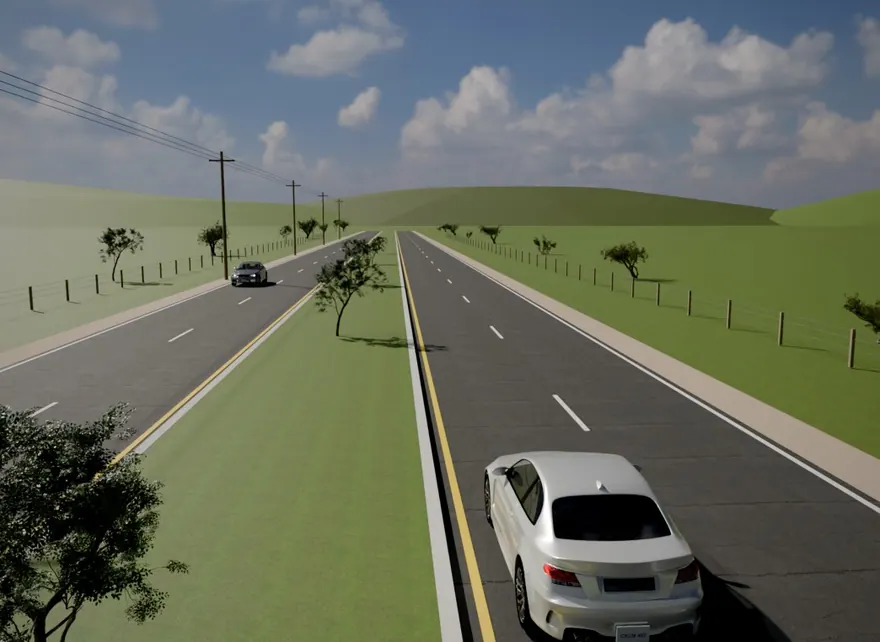
3A farm driveway is on your left, across double solid yellow lines on a British Columbia highway. What does the Motor Vehicle Act say about turning into it?
Explanation
MVA s.156 suspends sections 151 and 155 (lane and highway-line rules) for a driver entering or leaving a highway who has made sure it can be done safely and without unreasonably affecting another vehicle.
BC Motor Vehicle Act, RSBC 1996 c. 318, ss.155 and 156
Applies in British Columbia
4Under British Columbia's graduated licensing changes of October 19, 2026, how long must a learner aged 25 or older hold the L licence before the road test?
Explanation
Since October 19, 2026, BC learners aged 25 or older need 9 months in the L stage instead of 12. Younger learners still need 12 months, and all learners keep the 5 a.m. to midnight, zero alcohol and no-device rules.
Gov.bc.ca news release 2026PSSG0061-000847 — Changes to Graduated Licensing Program (process for drivers 25 and older); ICBC — Changes to the Graduated Licensing Program
Applies in British Columbia
5According to ICBC, how much longer than normal can your braking distance be on ice?
Explanation
ICBC warns that it can take you 10 times the normal braking distance to stop on ice, so slow down, leave much more space and plan stops far ahead.
ICBC Learn to Drive Smart (2026), ch. 8 — Ice and snow, p. 122
Applies in British Columbia
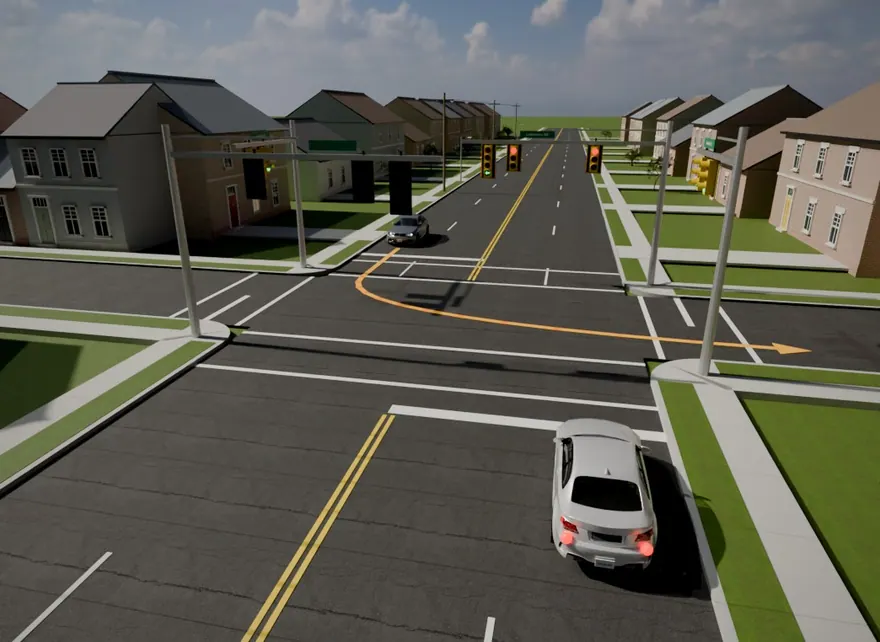
6In British Columbia, you want to go straight through an intersection. Your signal shows a steady red light together with a flashing green left-turn arrow. What do you do?
Explanation
ICBC: a flashing green arrow with a steady red light allows the left turn only; through traffic must stop for the red light. Wait for a green light to go straight.
7In British Columbia, what is the penalty for driving on a signed winter-tire highway without proper winter tires?
Explanation
BC's ticket for missing winter tires on a designated highway is $121 plus 2 penalty points; the $200–$300 range is Québec's fine.
gov.bc.ca — About winter tires; BC Motor Vehicle Act Regulations Div. 7
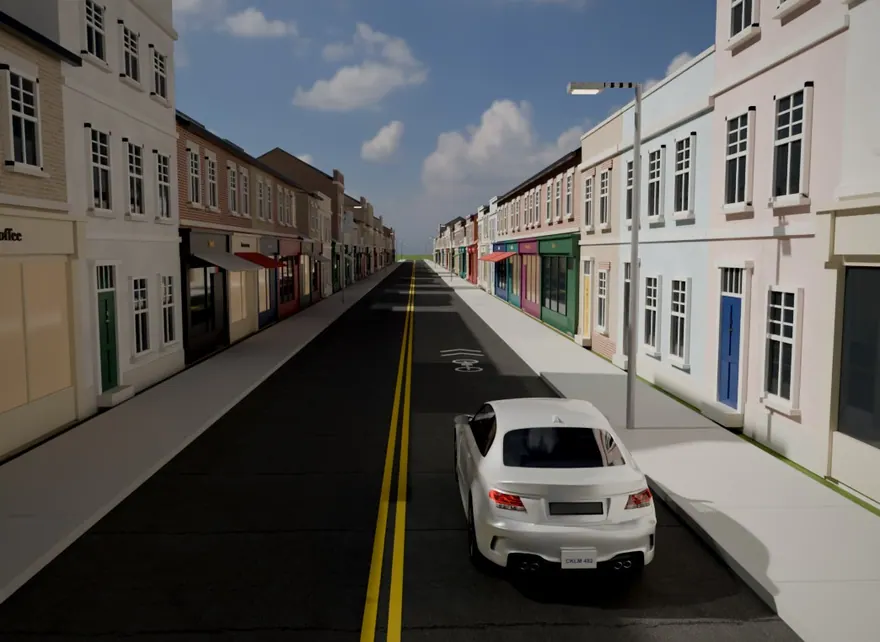
8A lane is marked with a bicycle symbol and two chevrons (a 'sharrow'). What does this tell you?
Explanation
Sharrows show cyclists where to ride in a lane too narrow for a separate bike lane and remind drivers that the lane is shared.
Ontario MTO Driver's Handbook — Sharing the road with other road users
Applies in British Columbia
9A British Columbia 'N' driver is found with any alcohol in their system. What happens at the roadside?
Explanation
L and N drivers in BC must have zero alcohol and drugs; any reading brings a 12-hour roadside suspension and can lead to a longer prohibition through the Driver Improvement Program.
ICBC Learn to Drive Smart — L/N restrictions; RoadSafetyBC
10This light comes on in the instrument panel. What does it mean?
Explanation
A seat belt is not fastened. Fasten the seat belt — every occupant must wear one.
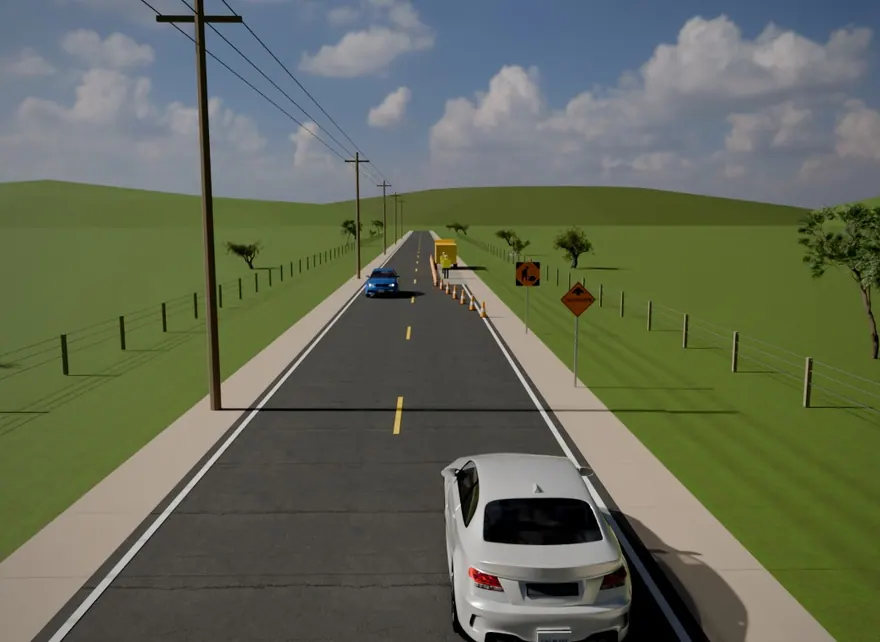
11Road work blocks your lane and there is no traffic-control person or signal. Who has the right-of-way?
Explanation
The driver whose lane is blocked must yield to vehicles in the open lane; slow down, pass workers with care and move over a lane when it is safe.
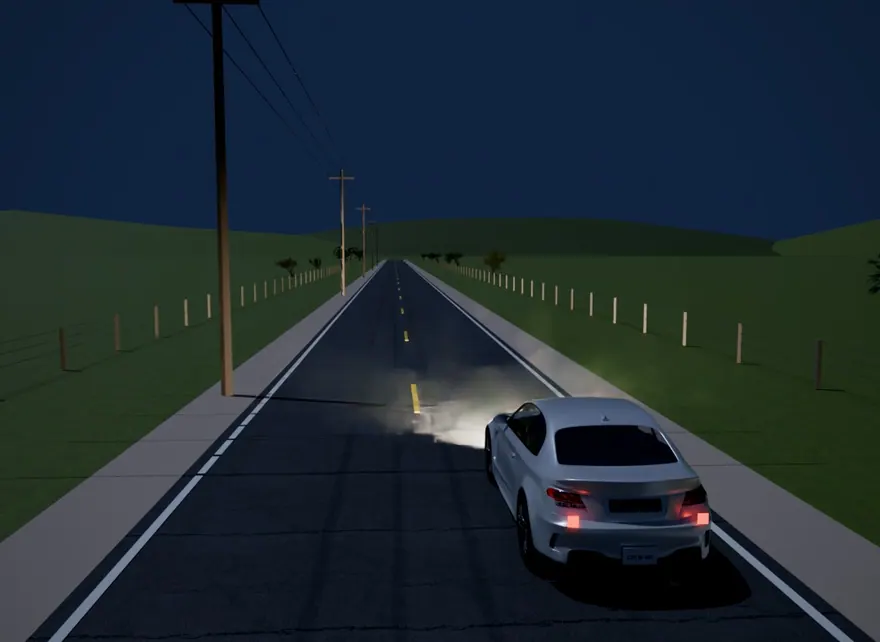
Ontario MTO Driver's Handbook — Dealing with particular situations
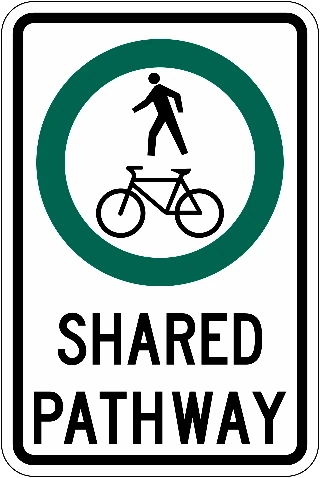
12What does this sign mean?
Explanation
The green circle with a pedestrian and a bicycle, and the words SHARED PATHWAY, mark a path both may use. Motor vehicles are not allowed on it.
Ontario MTO Driver's Handbook, Signs (regulatory)
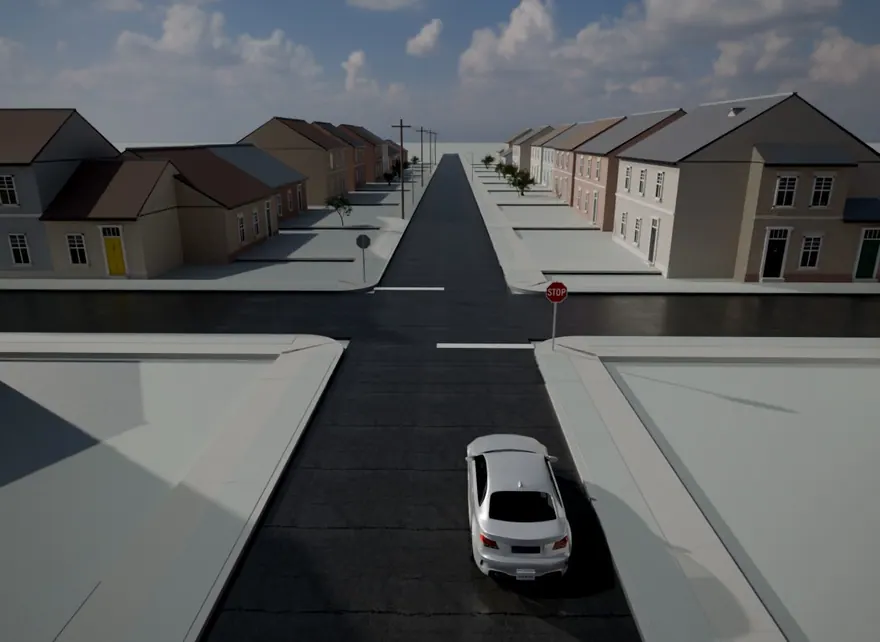
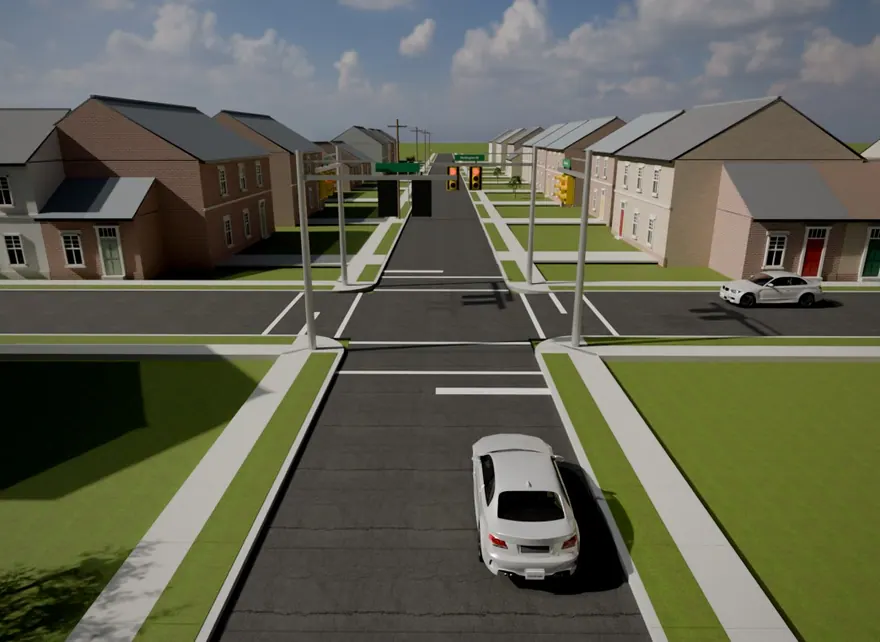
13A traffic light is flashing red. What does this mean?
Explanation
A flashing red light is treated like a stop sign: come to a complete stop and proceed only when the way is clear.
Ontario MTO Driver's Handbook — Traffic lights
14What is the maximum prison sentence under the Criminal Code for impaired driving that causes a death?
Explanation
Both the Nova Scotia and ICBC handbooks state that impaired driving causing death can bring up to life in prison, with a driving prohibition that can also last for life.
Nova Scotia Driver's Handbook (2026) §6.1.5; ICBC Learn to Drive Smart (2026) — Criminal Code penalties
15Why should you keep a 'cushion' of space on all sides of your vehicle?
Explanation
Space ahead, behind and to the sides gives you time and an escape route when someone else makes a mistake.
Ontario MTO Driver's Handbook — Driving along (maintaining space)
Applies in Alberta, British Columbia
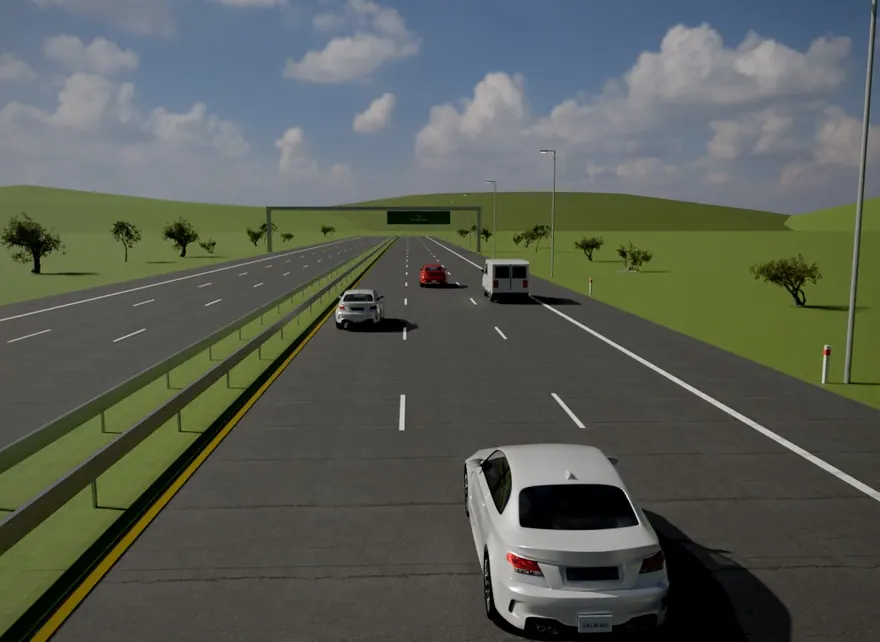
16A loaded semi-trailer in the lane beside you is slowing early as it approaches a traffic light, leaving a large gap in front of it. Should you move into that gap?
Explanation
Alberta's guide and ICBC both warn never to move into the space in front of a large vehicle approaching a traffic light: a heavy vehicle needs extra distance to stop, and cutting in leaves the driver no room to brake.
Alberta Driver's Guide 2026 ch. 8 'Commercial vehicles' p. 99; ICBC Learn to Drive Smart ch. 6 'Large vehicles' p. 91
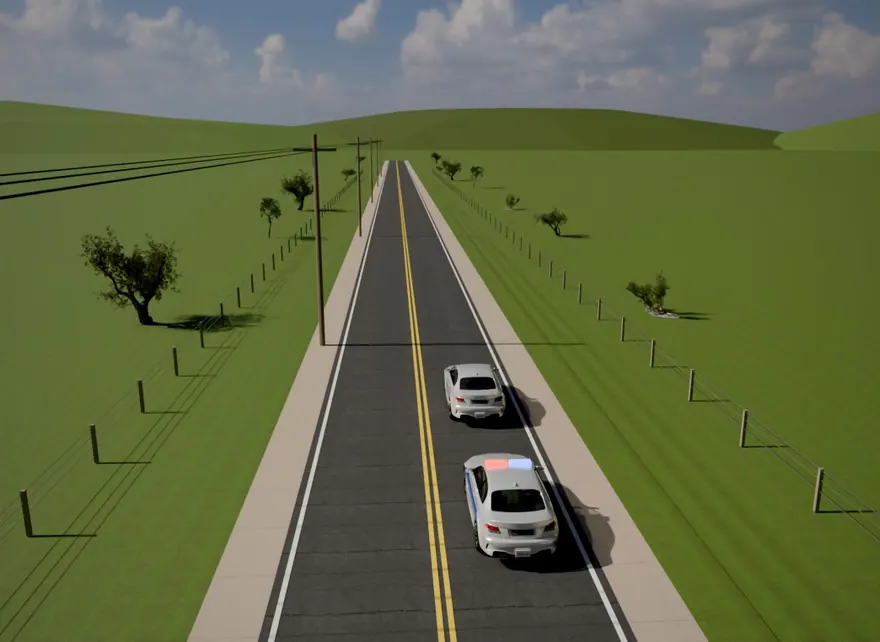
17A police car behind you activates its lights to pull you over. What should you do?
Explanation
Stop promptly and safely, stay seated and have your licence, vehicle permit and insurance ready to hand over; ignoring a direction to stop risks a fine, suspension or prison.
Ontario MTO Driver's Handbook — Driving along (police)
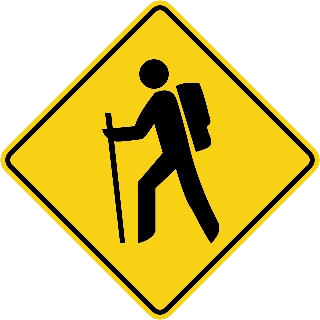
18What does this sign mean?
Explanation
The hiker with a pack and pole warns of a trail crossing. Slow down and watch for walkers crossing the road.
Ontario MTO Driver's Handbook, Signs (warning signs)
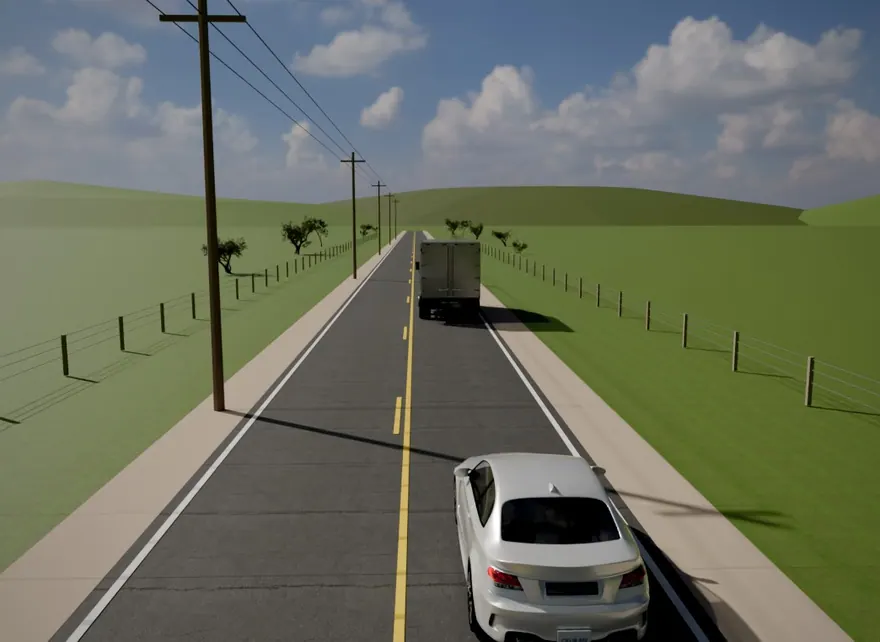
19The centre line is a solid yellow line on your side with a broken yellow line on the other side. What does this mean for you?
Explanation
The solid line is on your side, so passing is unsafe for you. Drivers coming the other way have the broken line and may pass when clear.
Ontario MTO Driver's Handbook — Pavement markings
Applies in British Columbia
20In BC, how long must a driver hold the 'N' (novice) licence before becoming eligible for a full Class 5?
Explanation
The N stage is 24 months, shortened to 18 with an ICBC-approved GLP course or to 12 for drivers 25 and over; since October 2026 the exit is by Driving Record Assessment rather than a second road test.
ICBC — Graduated Licensing Program changes (19 Oct 2026); Get your L
Applies in British Columbia
21In British Columbia, how far from a fire hydrant must you park?
Explanation
BC requires 5 m from a fire hydrant, more than Ontario's 3 m. BC also requires 6 m on the approach side of a crosswalk, stop sign or signal and 15 m from a railway rail.
ICBC Learn to Drive Smart — parking rules
22Your light turns green, but a car that entered on yellow is still crossing in front of you. What should you do?
Explanation
A green light lets you proceed only after yielding to vehicles and pedestrians that are already in the intersection.
Ontario MTO Driver's Handbook — Traffic lights (green light)
Applies in British Columbia
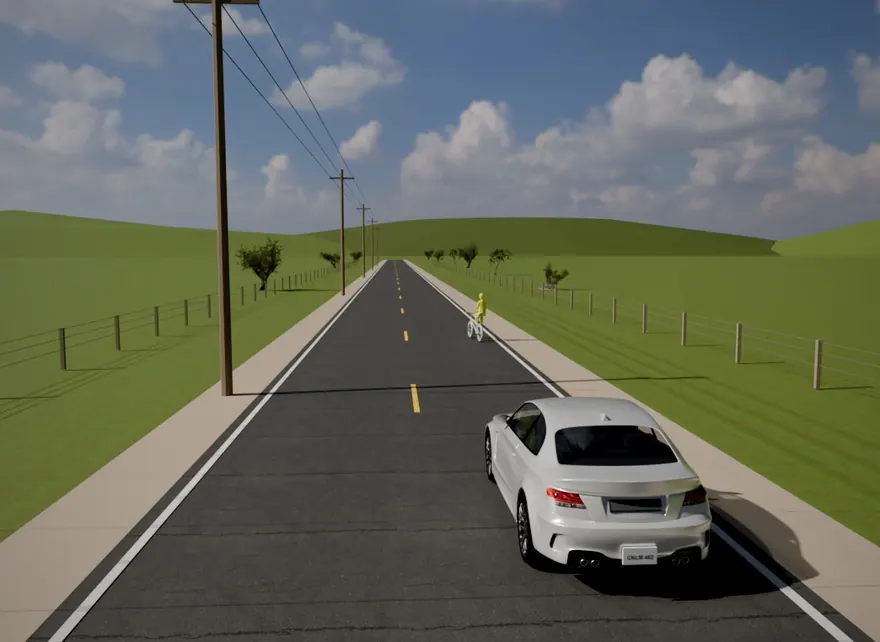
23On a rural B.C. road, a cyclist rides in the right part of your lane instead of on the loose gravel shoulder. Is the cyclist breaking the law?
Explanation
BC MVA s.183(2)(c) requires a cyclist to ride as near as practicable to the right side of the highway, but s.183(3) says this does not require riding on any part of the highway that is not paved. Slow down and pass with proper clearance.
BC Motor Vehicle Act, RSBC 1996 c. 318, s.183(2)(c), (3)
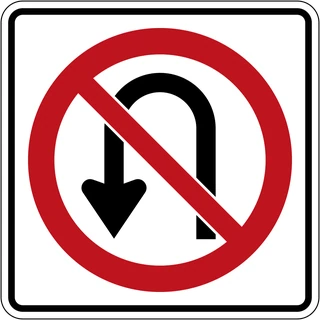
24You want to reverse direction and see this sign. What does it mean?
Explanation
The slashed U-shaped arrow bans U-turns here. Even without a sign, never U-turn on a curve, near a hill crest or where you cannot see 150 m in both directions.
Ontario MTO Driver's Handbook — Signs (sign: no_u_turn)
Applies in British Columbia
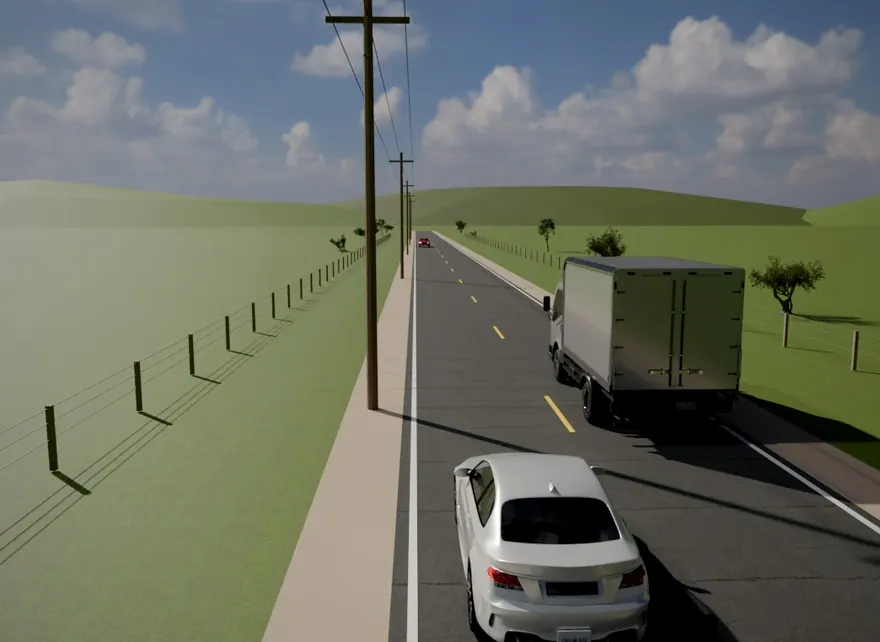
25You are driving a slow motorhome on a two-lane BC highway and pass a sign: 'Slow traffic delaying 5 vehicles must use pullout'. Five vehicles are lined up behind you. What must you do?
Explanation
ICBC shows this sign among the slow-vehicle pullout signs: a slow driver holding up five or more vehicles must use the pullout to let them pass.
ICBC Learn to Drive Smart (2026), ch. 3 — Signs, signals and road markings (slow vehicle pullouts)
26How should you take a turn on an icy street?
Explanation
Tires have limited grip on ice; asking them to brake or accelerate while also turning exceeds that grip and causes a skid.
Ontario MTO Driver's Handbook — Driving at night and in bad weather (winter) and Changing directions (turning a corner)
Applies in British Columbia
27Your car is stuck on a railway track in British Columbia. You have got everyone out. What does ICBC say to do next?
Explanation
ICBC says to get everyone out and move quickly at least 30 m away from the track to avoid flying debris, then phone for help: use the number and report the location shown on the back of the railway crossing sign, or call 911 or the local police.
ICBC Learn to Drive Smart 2026, ch. 8 (railway crossings)
28You are stopping bleeding by pressing a clean cloth on wounds at a crash. In which case should you NOT apply direct pressure?
Explanation
Stop bleeding by applying direct pressure over the wound with a clean cloth, except where there is a depressed skull fracture or serious head injury, where pressure should not be applied.
SGI Saskatchewan Driver's Handbook 2026-27 §6.12 Check all injuries; Manitoba Driver's Handbook (MPI) — Upon arriving at the scene of a collision
Applies in British Columbia
29A BC 'L' driver may drive only during which hours?
Explanation
L drivers may not drive between midnight and 5 a.m., must have a qualified supervisor beside them, carry at most one other passenger (immediate family excepted since Oct 2026), and display the L sign.
ICBC Learn to Drive Smart — L restrictions
Applies in British Columbia
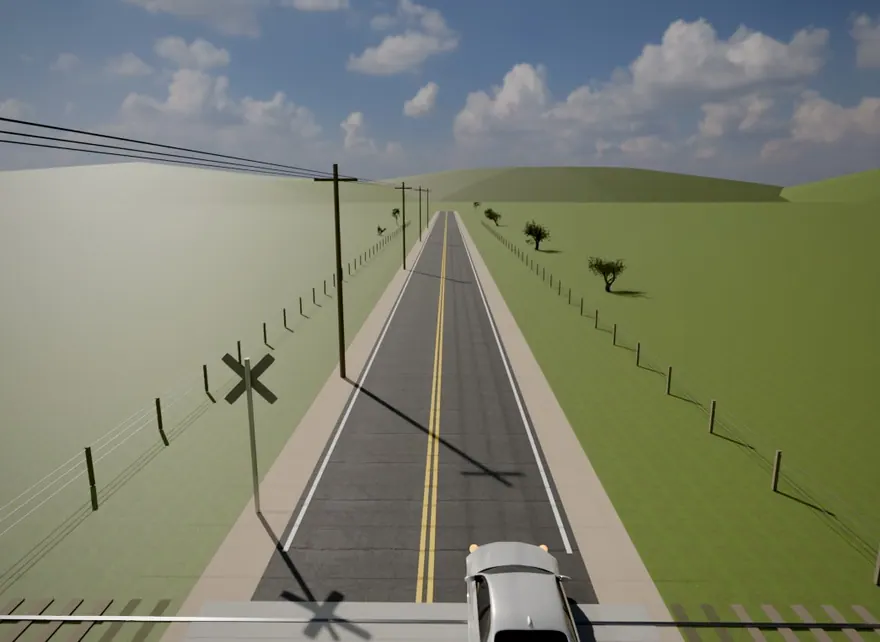
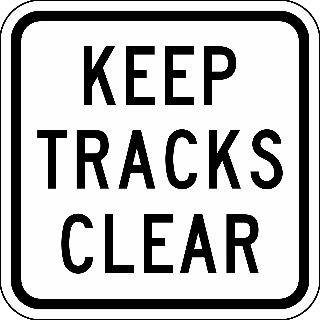
30Traffic ahead of you is stopped just past a railway crossing with this sign. There is not enough room for your car beyond the tracks. What should you do?
Explanation
A car stopped on the tracks can be trapped when a train comes. Stay behind the crossing (at least 5 m from the nearest rail) until there is room to clear it completely.
ICBC Learn to Drive Smart, signs and school and playground zones
Applies in British Columbia
31In British Columbia, a driver blows a 'Warn' for the second time within five years. What is the immediate roadside prohibition?
Explanation
BC's Warn prohibitions are 3 days the first time, 7 days the second time within five years and 30 days the third time; a Fail or refusal brings 90 days. Penalties, fees and impound costs total about $600, $780, $1,330 and $1,430.
Gov.bc.ca — Alcohol and drug related driving prohibitions and suspensions (updated 15 Oct 2026) (Immediate roadside prohibition penalties)
Applies in British Columbia
32In British Columbia, which vehicles may use an HOV lane with only the driver aboard?
Explanation
BC exempts motorcycles, taxis and electric vehicles from the occupancy rule, while vehicles of 5,500 kg GVW or more are barred from HOV lanes entirely.
gov.bc.ca — HOV lanes
Applies in British Columbia
33In British Columbia, the ticket for using an electronic device while driving is:
Explanation
The BC ticket is $368 with 4 penalty points, which also raise your Driver Penalty Point premium.
RoadSafetyBC — Electronic devices while driving
Applies in British Columbia
34On a BC highway outside a municipality with no posted limit, how fast may you drive?
Explanation
Outside municipalities the default is 80 km/h. Higher limits (100 to 120 km/h) apply only where posted.
British Columbia Motor Vehicle Act s. 146
Applies in British Columbia
35In BC, how far from a stop sign or traffic signal, on the approach side, must you park?
Explanation
BC prohibits parking within 6 m of the approach side of a crosswalk, stop sign or traffic signal so the sign and crossing pedestrians stay visible.
ICBC Learn to Drive Smart — parking rules
36You hold a learner or novice (graduated) licence. How much alcohol may you have in your blood while driving?
Explanation
Every province applies a zero blood-alcohol rule to learner and novice drivers in its graduated licensing program; even one drink can cost you your licence.
Provincial GDL rules (all provinces); research brief §2.10
Applies in Ontario, British Columbia, Newfoundland and Labrador, Prince Edward Island
37On a divided highway with a grass median, you realise your destination is on the other side. How may you get across?
Explanation
Ontario (HTA s. 156), BC (MVA s. 163), NL (HTA s. 104) and PEI (HTA s. 164) forbid driving over, across or within the median or barrier of a divided highway except at a crossover or intersection. Drive on to the next one.
Ontario Highway Traffic Act, R.S.O. 1990, c. H.8, s. 156(1)(b); BC Motor Vehicle Act, RSBC 1996 c. 318, s. 163; Newfoundland and Labrador Highway Traffic Act, RSNL 1990 c. H-3, s. 104; PEI Highway Traffic Act, R.S.P.E.I. 1988 c. H-5 (current to 29 May 2026), s. 164
Applies in British Columbia
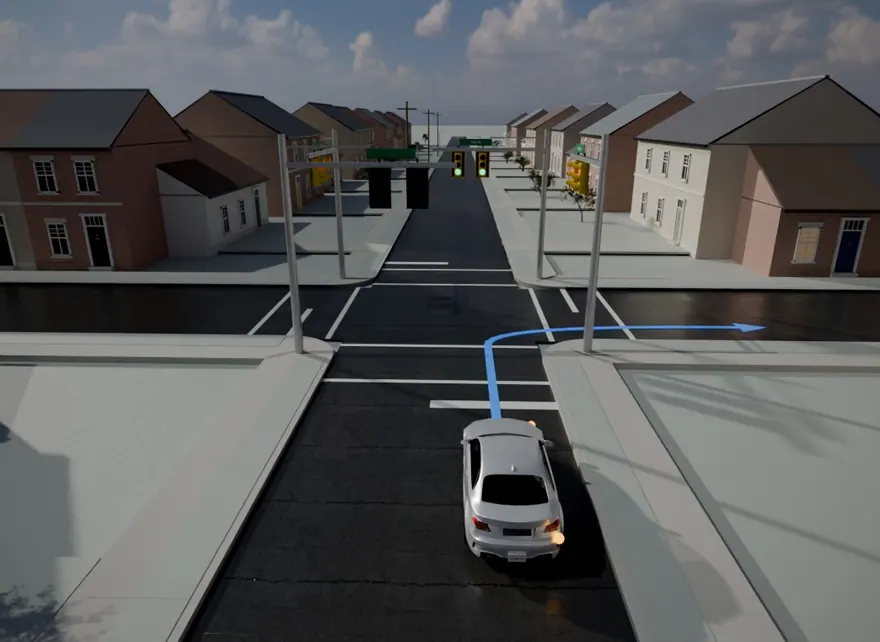
38In British Columbia, you are in an intersection waiting to turn left. You have signalled and let the close oncoming cars pass; the next oncoming car is still far away. Under the Motor Vehicle Act, who must yield now?
Explanation
Section 174: a left-turning driver yields to oncoming traffic in the intersection or close enough to be an immediate hazard; having yielded and signalled, the driver may turn, and oncoming traffic approaching the intersection must then yield to the turning vehicle.
BC Motor Vehicle Act, RSBC 1996 c. 318, s. 174 Yielding right of way on left turn
Applies in British Columbia
39In British Columbia, how far from the entrance or exit of a hotel, theatre, dance hall or fire hall must you keep when parking?
Explanation
BC's Motor Vehicle Act keeps 6 m clear on each side of such entrances (and of rural playgrounds) so people and emergency vehicles can get in and out.
BC Motor Vehicle Act s. 189 — where stopping, standing or parking is prohibited (1)(h)
Applies in British Columbia
40In British Columbia, what is the speed limit inside a municipality when no sign is posted?
Explanation
BC's Motor Vehicle Act sets 50 km/h as the default limit within a municipality and 80 km/h outside one.
British Columbia Motor Vehicle Act s. 146
Applies in British Columbia
41Police in British Columbia stop a driver going 45 km/h over the posted limit. Besides the ticket, what can they do on the spot?
Explanation
In BC, excessive speeding means 40 km/h or more over the limit, and police can immediately impound the vehicle for 7 days, escalating to 30 or 60 days for repeat offenders. The owner pays the towing and storage fees.
ICBC Learn to Drive Smart (2026) — Vehicle impoundment; BC Motor Vehicle Act
Applies in British Columbia
42In British Columbia, a 30 km/h school-zone sign states that the zone starts at 7:30 a.m. It is 7:45 a.m. on a school day. What is your limit?
Explanation
BC school zones apply from 8 a.m. to 5 p.m. on school days, or during any extended times stated on the signs. Here the sign extends the zone, so 30 km/h applies at 7:45 a.m.
BC Motor Vehicle Act, RSBC 1996 c. 318, s. 147(1) School zones (extended times stated on signs)
43You are passing a vehicle on a two-lane road. When is it safe to return to your lane?
Explanation
Return to your lane only when you can see the entire vehicle you passed in your mirror; cutting in earlier leaves no safety margin. Signal before moving back.
Ontario MTO Driver's Handbook — Changing positions
Applies in British Columbia
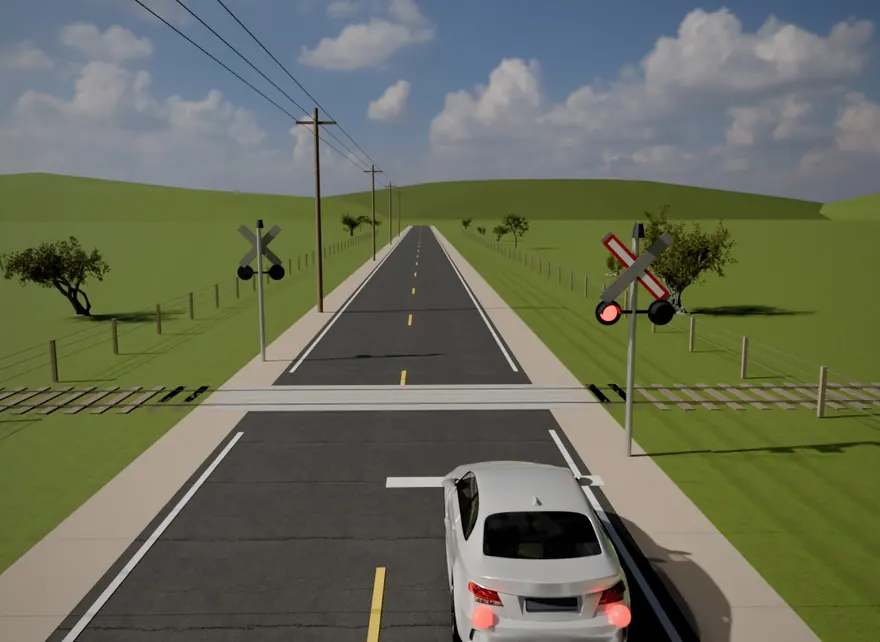
44In British Columbia, when a railway crossing signal is flashing, how far from the nearest rail must you stop?
Explanation
The BC Motor Vehicle Act requires a stop within 15 m but not less than 5 m from the nearest rail when a signal, gate, flagger or approaching train warns of a train.
BC Motor Vehicle Act s. 185
45You are turning left from a two-way street onto a one-way street. Which lane should you turn from and into?
Explanation
Turning from a two-way road onto a one-way road, start from the lane closest to the centre line and finish in the left curb lane, since all lanes on the one-way carry your direction.
Ontario MTO Driver's Handbook — Changing directions (left turns: two-way to one-way)
Applies in British Columbia
46You are on a two-day road trip across British Columbia. According to ICBC's guide, when is tiredness most likely to affect you?
Explanation
ICBC warns not to drive too far at one time and to be especially careful on the second day of a long trip, when tiredness is most likely to affect you.
47You move to British Columbia from another country, where you have held a full licence for 18 months. What happens when you apply for a B.C. licence?
Explanation
New residents may use a valid outside licence for their first 90 days in B.C. To receive a full-privilege licence they must prove at least two years of licensed driving; otherwise they enter the Graduated Licensing Program (ICBC, New B.C. residents).
ICBC Learn to Drive Smart (2026) ch. 9, p. 147 — New B.C. residents
48What does it mean to 'overdrive your headlights' at night?
Explanation
If you cannot stop within the area your low beams illuminate, you cannot avoid anything that appears in it; slow down, especially on unlit roads where reflective signs make you think you see farther.
Ontario MTO Driver's Handbook — Driving at night and in bad weather
Applies in Ontario, British Columbia, Newfoundland and Labrador
49A passenger-car tire is legally worn out and must be replaced when the tread depth is less than:
Explanation
Ontario, BC and Newfoundland and Labrador set the minimum at 1.5 mm (Ontario: in any two adjacent major grooves); replace tires earlier if the wear indicators touch the road.
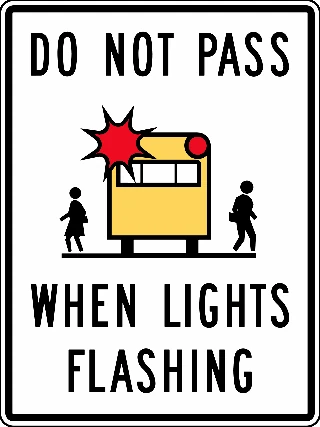
When a school bus shows flashing red lights, children are getting on or off. Stop before reaching the bus and do not pass until the red lights stop flashing.
ICBC Learn to Drive Smart, signs and school and playground zones