ICBC Class 7L ज्ञान परीक्षा में 50 बहुविकल्पीय प्रश्न होते हैं; पास होने के लिए 45 मिनट के भीतर 40 सही चाहिए। आप इसे ड्राइवर लाइसेंसिंग कार्यालय में या ऑनलाइन, कई भाषाओं में दे सकते हैं। यह अभ्यास परीक्षा वही प्रारूप अपनाती है: 50 प्रश्न, पास के लिए 40, 45 मिनट।
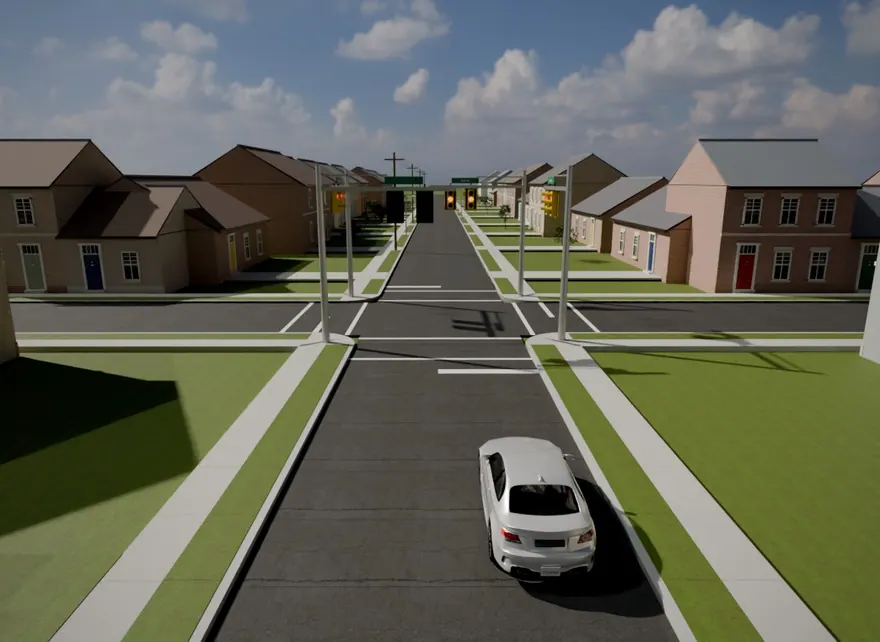
1चौराहे के पास पहुँचते समय बत्ती पीली हो जाती है। इसके लिए क्या ज़रूरी है?The light turns yellow as you approach an intersection. What does it require?
व्याख्या
पीली बत्ती का मतलब है कि बत्ती लाल होने वाली है: सुरक्षित हो तो रुकें, और केवल तभी सावधानी से आगे बढ़ें जब आप सुरक्षित रूप से रुकने के लिए बहुत पास हों।Yellow means the light is about to turn red: stop if it is safe, and only if you are too close to stop safely should you continue with caution.
Ontario MTO Driver's Handbook — Traffic lights (yellow light)
Ontario, British Columbia, Alberta में लागू
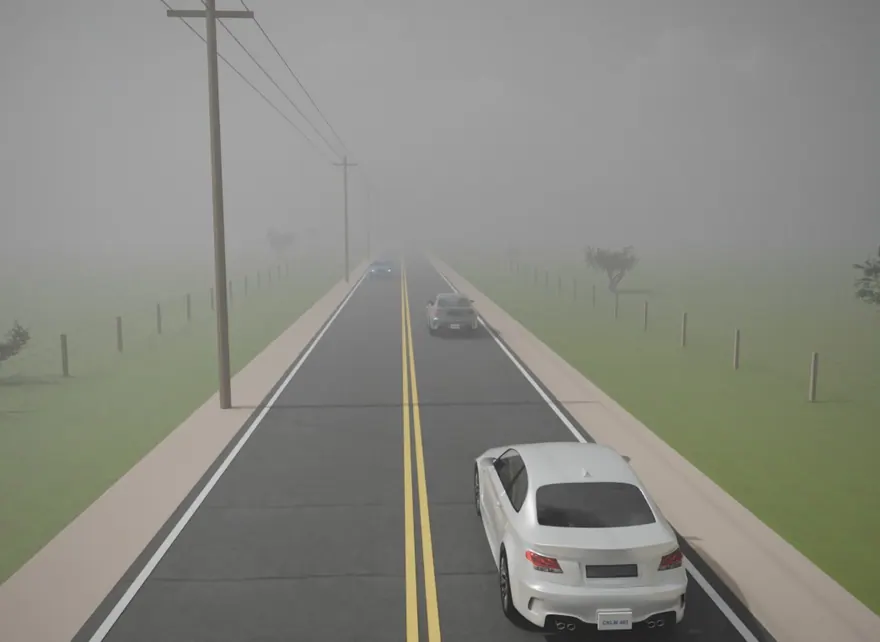
2दिन में कोहरे में आप आगे के लोगों या गाड़ियों को एक निश्चित दूरी पर साफ़ नहीं देख पाते। किस दृश्यता पर हेडलाइट्स चालू होनी चाहिए?In daytime fog you cannot clearly see people or vehicles ahead at a certain distance. At what visibility must headlights be on?
व्याख्या
ओंटारियो, BC और अल्बर्टा सभी कोहरे, बारिश या बर्फ़ में हेडलाइट्स (केवल डेटाइम रनिंग लाइट्स नहीं) के लिए दृश्यता की सीमा 150 m रखते हैं।Ontario, BC and Alberta all use 150 m as the visibility trigger for headlights (not just daytime running lights) in fog, rain or snow.
Ontario HTA s.62; BC MVA; Alberta Driver's Guide (lights)
British Columbia में लागू
3British Columbia के एक हाईवे पर दोहरी ठोस पीली रेखाओं के पार आपकी बाईं ओर एक फ़ार्म का ड्राइववे है। Motor Vehicle Act उसमें मुड़ने के बारे में क्या कहता है?A farm driveway is on your left, across double solid yellow lines on a British Columbia highway. What does the Motor Vehicle Act say about turning into it?
व्याख्या
MVA s.156 हाईवे पर आने या उसे छोड़ने वाले ऐसे चालक के लिए sections 151 और 155 (लेन और हाईवे-रेखा नियम) निलंबित करता है जिसने सुनिश्चित किया हो कि यह सुरक्षित रूप से और किसी दूसरे वाहन पर अनुचित असर डाले बिना किया जा सकता है।MVA s.156 suspends sections 151 and 155 (lane and highway-line rules) for a driver entering or leaving a highway who has made sure it can be done safely and without unreasonably affecting another vehicle.
BC Motor Vehicle Act, RSBC 1996 c. 318, ss.155 and 156
British Columbia में लागू
419 अक्टूबर 2026 के ब्रिटिश कोलंबिया के चरणबद्ध लाइसेंस बदलावों के तहत, 25 या ज़्यादा उम्र के लर्नर को रोड टेस्ट से पहले L लाइसेंस कितने समय तक रखना होगा?Under British Columbia's graduated licensing changes of October 19, 2026, how long must a learner aged 25 or older hold the L licence before the road test?
व्याख्या
19 अक्टूबर 2026 से, 25 या ज़्यादा उम्र के BC लर्नर को L चरण में 12 के बजाय 9 महीने चाहिए। कम उम्र के लर्नर को अभी भी 12 महीने चाहिए, और सभी लर्नर पर सुबह 5 बजे से आधी रात, शून्य अल्कोहल और कोई उपकरण नहीं वाले नियम बने रहते हैं।Since October 19, 2026, BC learners aged 25 or older need 9 months in the L stage instead of 12. Younger learners still need 12 months, and all learners keep the 5 a.m. to midnight, zero alcohol and no-device rules.
Gov.bc.ca news release 2026PSSG0061-000847 — Changes to Graduated Licensing Program (process for drivers 25 and older); ICBC — Changes to the Graduated Licensing Program
British Columbia में लागू
5ICBC के अनुसार बर्फ़ पर आपकी ब्रेकिंग दूरी सामान्य से कितनी ज़्यादा हो सकती है?According to ICBC, how much longer than normal can your braking distance be on ice?
व्याख्या
ICBC चेतावनी देता है कि बर्फ़ पर रुकने में आपको सामान्य ब्रेकिंग दूरी (braking distance) का 10 गुना लग सकता है, इसलिए गति कम करें, कहीं ज़्यादा जगह छोड़ें और रुकने की योजना काफ़ी पहले बनाएँ।ICBC warns that it can take you 10 times the normal braking distance to stop on ice, so slow down, leave much more space and plan stops far ahead.
ICBC Learn to Drive Smart (2026), ch. 8 — Ice and snow, p. 122
British Columbia में लागू
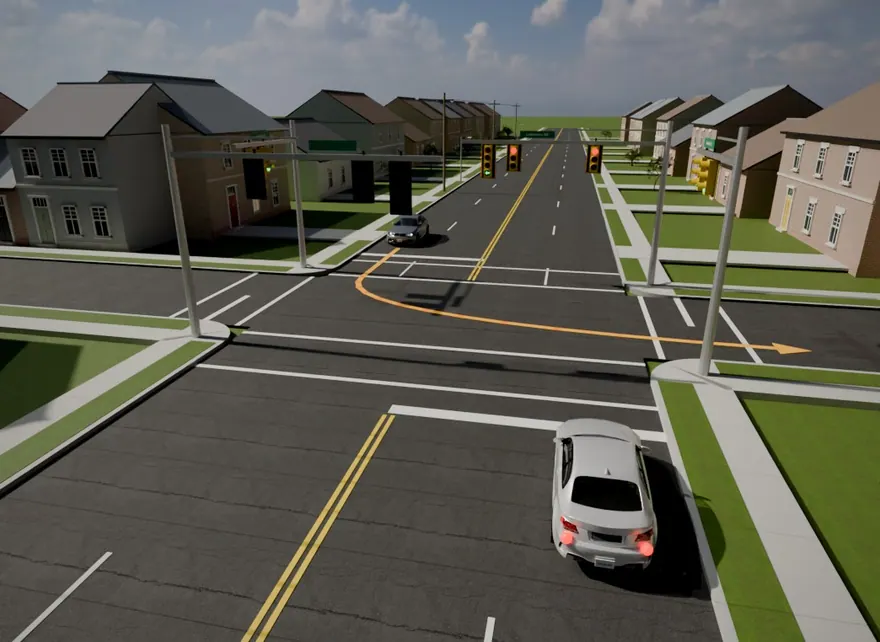
6ब्रिटिश कोलंबिया में, आप चौराहे से सीधे जाना चाहते हैं। आपका सिग्नल चमकते हरे बाएँ मोड़ तीर के साथ स्थिर लाल बत्ती दिखाता है। आप क्या करते हैं?In British Columbia, you want to go straight through an intersection. Your signal shows a steady red light together with a flashing green left-turn arrow. What do you do?
व्याख्या
ICBC: स्थिर लाल बत्ती के साथ चमकता हरा तीर केवल बाएँ मोड़ की अनुमति देता है; सीधे ट्रैफ़िक को लाल बत्ती के लिए रुकना होगा। सीधे जाने के लिए हरी बत्ती का इंतज़ार करें।ICBC: a flashing green arrow with a steady red light allows the left turn only; through traffic must stop for the red light. Wait for a green light to go straight.
7ब्रिटिश कोलंबिया में, साइन वाले विंटर टायर हाईवे पर उचित विंटर टायरों के बिना चलाने की सज़ा क्या है?In British Columbia, what is the penalty for driving on a signed winter-tire highway without proper winter tires?
व्याख्या
तय हाईवे पर विंटर टायर न होने का BC का टिकट $121 और 2 पेनल्टी अंक है; $200–$300 की सीमा क्यूबेक का जुर्माना है।BC's ticket for missing winter tires on a designated highway is $121 plus 2 penalty points; the $200–$300 range is Québec's fine.
gov.bc.ca — About winter tires; BC Motor Vehicle Act Regulations Div. 7
8एक लेन पर साइकिल का चिह्न और दो शेवरॉन (एक 'sharrow') बने हैं। यह आपको क्या बताता है?A lane is marked with a bicycle symbol and two chevrons (a 'sharrow'). What does this tell you?
व्याख्या
Sharrows उन लेनों में, जो अलग साइकिल लेन के लिए बहुत संकरी हैं, साइकिल सवारों को दिखाते हैं कि कहाँ चलें और ड्राइवरों को याद दिलाते हैं कि लेन साझा है।Sharrows show cyclists where to ride in a lane too narrow for a separate bike lane and remind drivers that the lane is shared.
Ontario MTO Driver's Handbook — Sharing the road with other road users
British Columbia में लागू
9ब्रिटिश कोलंबिया का एक 'N' ड्राइवर शरीर में किसी भी अल्कोहल के साथ पाया जाता है। सड़क किनारे क्या होता है?A British Columbia 'N' driver is found with any alcohol in their system. What happens at the roadside?
व्याख्या
BC में L और N ड्राइवरों के लिए शून्य अल्कोहल और ड्रग्स ज़रूरी है; कोई भी रीडिंग 12 घंटे का सड़क किनारे निलंबन लाती है और Driver Improvement Program के ज़रिए लंबे प्रतिबंध तक ले जा सकती है।L and N drivers in BC must have zero alcohol and drugs; any reading brings a 12-hour roadside suspension and can lead to a longer prohibition through the Driver Improvement Program.
ICBC Learn to Drive Smart — L/N restrictions; RoadSafetyBC
10इंस्ट्रूमेंट पैनल में यह बत्ती जलती है। इसका क्या अर्थ है?This light comes on in the instrument panel. What does it mean?
व्याख्या
कोई सीट बेल्ट नहीं बँधी है। सीट बेल्ट बाँधें — हर सवार को पहननी होगी।A seat belt is not fastened. Fasten the seat belt — every occupant must wear one.
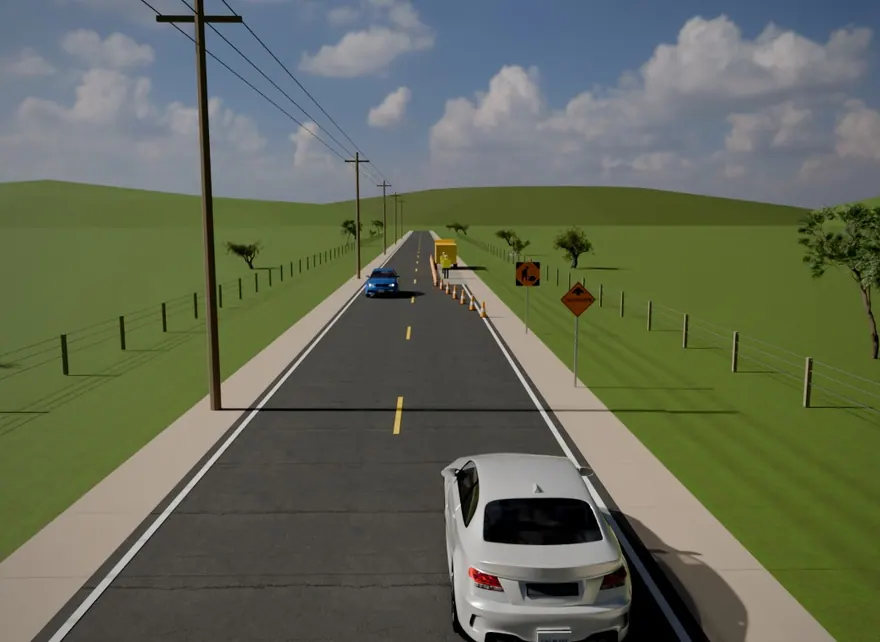
11सड़क के काम से आपकी लेन बंद है और कोई ट्रैफ़िक नियंत्रक व्यक्ति या सिग्नल नहीं है। पहले जाने का अधिकार किसका है?Road work blocks your lane and there is no traffic-control person or signal. Who has the right-of-way?
व्याख्या
जिस ड्राइवर की लेन बंद है उसे खुली लेन की गाड़ियों को रास्ता देना होगा; धीमे हों, कर्मचारियों के पास से सावधानी से निकलें और सुरक्षित होने पर एक लेन हटें।The driver whose lane is blocked must yield to vehicles in the open lane; slow down, pass workers with care and move over a lane when it is safe.
Ontario MTO Driver's Handbook — Dealing with particular situations
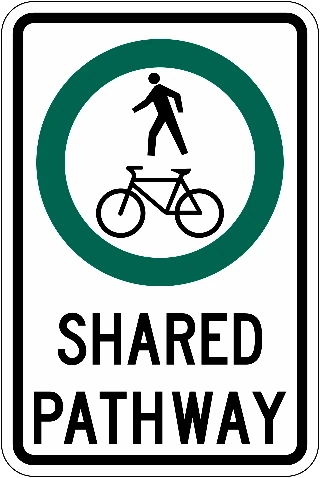
12इस संकेत का क्या अर्थ है?What does this sign mean?
व्याख्या
पैदल यात्री और साइकिल वाला हरा गोला, और SHARED PATHWAY शब्द, ऐसा पथ दिखाते हैं जिसका उपयोग दोनों कर सकते हैं। उस पर मोटर वाहनों की अनुमति नहीं है।The green circle with a pedestrian and a bicycle, and the words SHARED PATHWAY, mark a path both may use. Motor vehicles are not allowed on it.
Ontario MTO Driver's Handbook, Signs (regulatory)
13ट्रैफ़िक लाइट लाल रंग में चमक (flashing) रही है। इसका क्या मतलब है?A traffic light is flashing red. What does this mean?
व्याख्या
चमकती लाल बत्ती को स्टॉप साइन की तरह माना जाता है: पूरी तरह रुकें और केवल रास्ता साफ़ होने पर आगे बढ़ें।A flashing red light is treated like a stop sign: come to a complete stop and proceed only when the way is clear.
Ontario MTO Driver's Handbook — Traffic lights
14मौत का कारण बनने वाली नशे में ड्राइविंग के लिए Criminal Code के तहत अधिकतम जेल की सज़ा क्या है?What is the maximum prison sentence under the Criminal Code for impaired driving that causes a death?
व्याख्या
Nova Scotia और ICBC दोनों की हैंडबुकें कहती हैं कि मौत का कारण बनने वाली नशे में ड्राइविंग (impaired driving) पर आजीवन जेल तक हो सकती है, साथ में ऐसा ड्राइविंग निषेध जो आजीवन भी चल सकता है।Both the Nova Scotia and ICBC handbooks state that impaired driving causing death can bring up to life in prison, with a driving prohibition that can also last for life.
Nova Scotia Driver's Handbook (2026) §6.1.5; ICBC Learn to Drive Smart (2026) — Criminal Code penalties
15आपको अपनी गाड़ी के चारों ओर जगह का 'कुशन' क्यों रखना चाहिए?Why should you keep a 'cushion' of space on all sides of your vehicle?
व्याख्या
आगे, पीछे और बगल में जगह आपको समय और बच निकलने का रास्ता देती है जब कोई और गलती करे।Space ahead, behind and to the sides gives you time and an escape route when someone else makes a mistake.
Ontario MTO Driver's Handbook — Driving along (maintaining space)
Alberta, British Columbia में लागू
16आपके बगल वाली लेन में एक लदा सेमी-ट्रेलर ट्रैफ़िक बत्ती के पास पहुँचते हुए जल्दी धीमा हो रहा है, और उसके आगे बड़ा अंतराल छूट रहा है। क्या आपको उस अंतराल में जाना चाहिए?A loaded semi-trailer in the lane beside you is slowing early as it approaches a traffic light, leaving a large gap in front of it. Should you move into that gap?
व्याख्या
Alberta की गाइड और ICBC दोनों चेतावनी देते हैं कि ट्रैफ़िक बत्ती की ओर बढ़ते बड़े वाहन के आगे की जगह में कभी न जाएँ: भारी वाहन को रुकने के लिए अतिरिक्त दूरी चाहिए, और बीच में घुसने से चालक के पास ब्रेक लगाने की जगह नहीं बचती।Alberta's guide and ICBC both warn never to move into the space in front of a large vehicle approaching a traffic light: a heavy vehicle needs extra distance to stop, and cutting in leaves the driver no room to brake.
Alberta Driver's Guide 2026 ch. 8 'Commercial vehicles' p. 99; ICBC Learn to Drive Smart ch. 6 'Large vehicles' p. 91
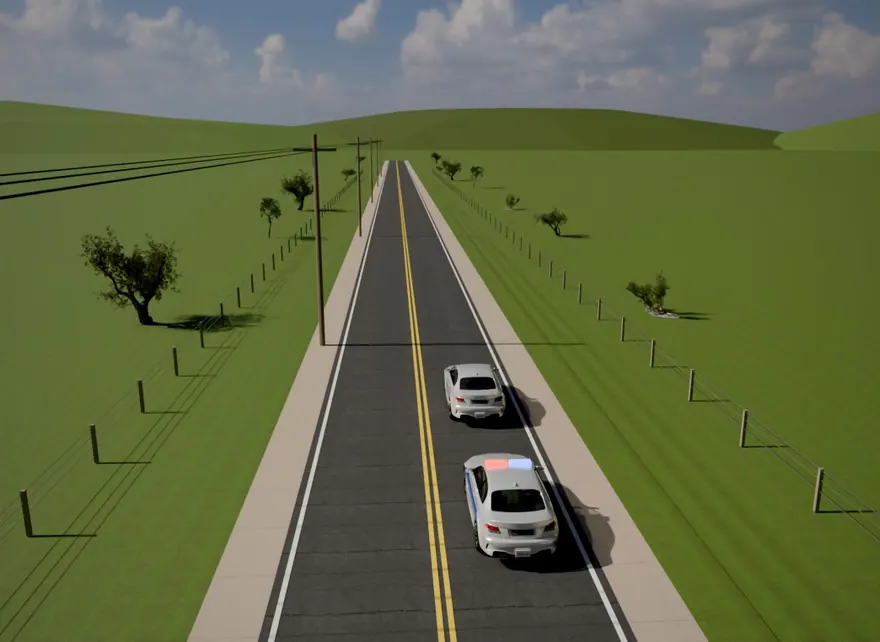
17आपके पीछे की पुलिस कार आपको रोकने के लिए बत्तियाँ चालू करती है। आपको क्या करना चाहिए?A police car behind you activates its lights to pull you over. What should you do?
व्याख्या
तुरंत और सुरक्षित रूप से रुकें, बैठे रहें और अपना लाइसेंस, गाड़ी का परमिट और बीमा देने के लिए तैयार रखें; रुकने के निर्देश को अनदेखा करने पर जुर्माना, निलंबन या जेल हो सकती है।Stop promptly and safely, stay seated and have your licence, vehicle permit and insurance ready to hand over; ignoring a direction to stop risks a fine, suspension or prison.
Ontario MTO Driver's Handbook — Driving along (police)
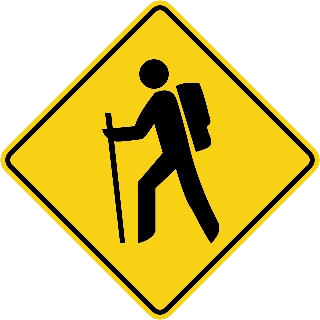
18इस संकेत का क्या अर्थ है?What does this sign mean?
व्याख्या
पीठ पर थैला और हाथ में छड़ी वाला पैदल यात्री पगडंडी क्रॉसिंग की चेतावनी देता है। गति कम करें और सड़क पार करते पैदल चलने वालों पर नज़र रखें।The hiker with a pack and pole warns of a trail crossing. Slow down and watch for walkers crossing the road.
Ontario MTO Driver's Handbook, Signs (warning signs)
19मध्य रेखा आपकी तरफ़ ठोस पीली और दूसरी तरफ़ टूटी पीली है। आपके लिए इसका क्या मतलब है?The centre line is a solid yellow line on your side with a broken yellow line on the other side. What does this mean for you?
व्याख्या
ठोस रेखा आपकी तरफ़ है, इसलिए आपके लिए ओवरटेक असुरक्षित है। दूसरी ओर से आने वाले ड्राइवरों की तरफ़ टूटी रेखा है और वे रास्ता साफ़ होने पर ओवरटेक कर सकते हैं।The solid line is on your side, so passing is unsafe for you. Drivers coming the other way have the broken line and may pass when clear.
Ontario MTO Driver's Handbook — Pavement markings
British Columbia में लागू
20BC में, पूर्ण Class 5 के योग्य होने से पहले ड्राइवर को 'N' (नया) लाइसेंस कितने समय तक रखना होगा?In BC, how long must a driver hold the 'N' (novice) licence before becoming eligible for a full Class 5?
व्याख्या
N चरण 24 महीने का है, ICBC-मान्य GLP कोर्स से घटकर 18 या 25 और ज़्यादा उम्र वालों के लिए 12; अक्टूबर 2026 से इससे निकलना दूसरे रोड टेस्ट के बजाय Driving Record Assessment से होता है।The N stage is 24 months, shortened to 18 with an ICBC-approved GLP course or to 12 for drivers 25 and over; since October 2026 the exit is by Driving Record Assessment rather than a second road test.
ICBC — Graduated Licensing Program changes (19 Oct 2026); Get your L
British Columbia में लागू
21ब्रिटिश कोलंबिया में, फ़ायर हाइड्रेंट से आपको कितनी दूरी पर पार्क करना चाहिए?In British Columbia, how far from a fire hydrant must you park?
व्याख्या
BC में फ़ायर हाइड्रेंट से 5 m दूरी ज़रूरी है, जो ओंटारियो के 3 m से ज़्यादा है। BC में पैदल पारपथ, स्टॉप साइन या सिग्नल की आने वाली तरफ़ 6 m और रेलवे पटरी से 15 m भी ज़रूरी है।BC requires 5 m from a fire hydrant, more than Ontario's 3 m. BC also requires 6 m on the approach side of a crosswalk, stop sign or signal and 15 m from a railway rail.
ICBC Learn to Drive Smart — parking rules
22आपकी बत्ती हरी हो जाती है, पर पीली बत्ती पर घुसी एक कार अभी भी आपके सामने से पार कर रही है। आपको क्या करना चाहिए?Your light turns green, but a car that entered on yellow is still crossing in front of you. What should you do?
व्याख्या
हरी बत्ती आपको केवल चौराहे में पहले से मौजूद गाड़ियों और पैदल यात्रियों को रास्ता देने के बाद आगे बढ़ने देती है।A green light lets you proceed only after yielding to vehicles and pedestrians that are already in the intersection.
Ontario MTO Driver's Handbook — Traffic lights (green light)
British Columbia में लागू
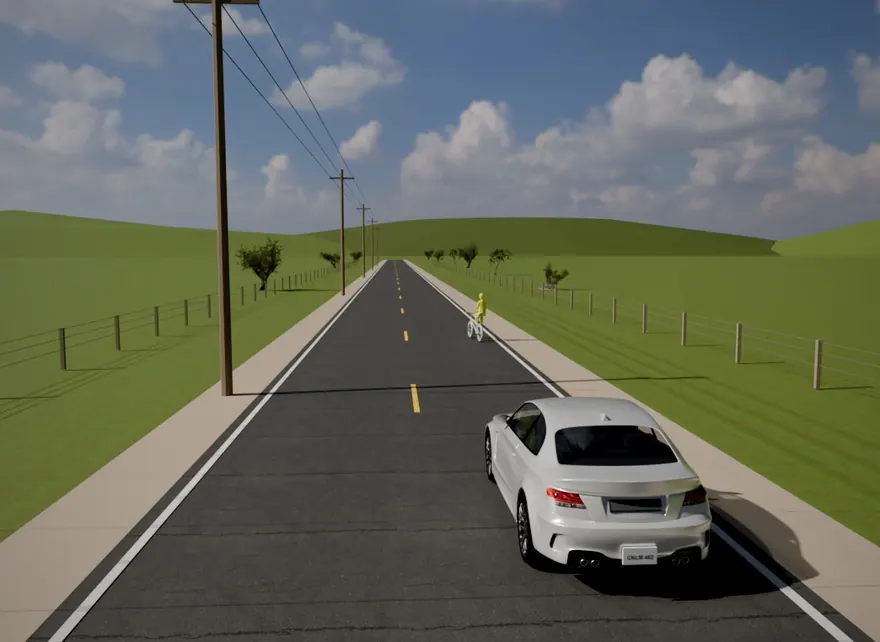
23B.C. की एक ग्रामीण सड़क पर एक साइकिल चालक ढीली बजरी वाले शोल्डर के बजाय आपकी लेन के दाएँ हिस्से में चल रहा है। क्या साइकिल चालक क़ानून तोड़ रहा है?On a rural B.C. road, a cyclist rides in the right part of your lane instead of on the loose gravel shoulder. Is the cyclist breaking the law?
व्याख्या
BC MVA s.183(2)(c) साइकिल चालक से हाईवे के दाईं ओर के जितना व्यावहारिक हो उतना पास चलने की अपेक्षा करता है, लेकिन s.183(3) कहता है कि इसका अर्थ हाईवे के किसी बिना पक्के हिस्से पर चलना नहीं है। गति कम करें और उचित दूरी छोड़कर ओवरटेक करें।BC MVA s.183(2)(c) requires a cyclist to ride as near as practicable to the right side of the highway, but s.183(3) says this does not require riding on any part of the highway that is not paved. Slow down and pass with proper clearance.
BC Motor Vehicle Act, RSBC 1996 c. 318, s.183(2)(c), (3)
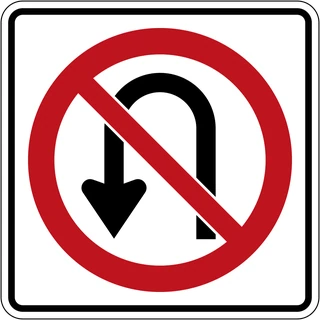
24आप दिशा पलटना चाहते हैं और यह साइन देखते हैं। इसका क्या मतलब है?You want to reverse direction and see this sign. What does it mean?
व्याख्या
तिरछी रेखा वाला U-आकार का तीर यहाँ यू-टर्न पर रोक लगाता है। साइन न हो तब भी मोड़ पर, पहाड़ी की चोटी के पास या जहाँ आप दोनों दिशाओं में 150 m तक न देख सकें, कभी यू-टर्न न लें।The slashed U-shaped arrow bans U-turns here. Even without a sign, never U-turn on a curve, near a hill crest or where you cannot see 150 m in both directions.
Ontario MTO Driver's Handbook — Signs (sign: no_u_turn)
British Columbia में लागू
25आप BC के दो-लेन हाईवे पर धीमा मोटरहोम चला रहे हैं और एक संकेत के पास से गुज़रते हैं: 'Slow traffic delaying 5 vehicles must use pullout'। आपके पीछे पाँच वाहन कतार में हैं। आपको क्या करना होगा?You are driving a slow motorhome on a two-lane BC highway and pass a sign: 'Slow traffic delaying 5 vehicles must use pullout'. Five vehicles are lined up behind you. What must you do?
व्याख्या
ICBC इस संकेत को धीमे-वाहन पुलआउट संकेतों में दिखाता है: पाँच या अधिक वाहनों को रोकने वाले धीमे चालक को उन्हें आगे जाने देने के लिए पुलआउट (pullout) का उपयोग करना होगा।ICBC shows this sign among the slow-vehicle pullout signs: a slow driver holding up five or more vehicles must use the pullout to let them pass.
ICBC Learn to Drive Smart (2026), ch. 3 — Signs, signals and road markings (slow vehicle pullouts)
26बर्फ़ीली सड़क पर मोड़ कैसे लेना चाहिए?How should you take a turn on an icy street?
व्याख्या
बर्फ़ पर टायरों की पकड़ सीमित होती है; मुड़ते हुए उनसे ब्रेक या गति बढ़ाने का काम भी लेना उस पकड़ से ज़्यादा माँगता है और फिसलन होती है।Tires have limited grip on ice; asking them to brake or accelerate while also turning exceeds that grip and causes a skid.
Ontario MTO Driver's Handbook — Driving at night and in bad weather (winter) and Changing directions (turning a corner)
British Columbia में लागू
27आपकी कार ब्रिटिश कोलंबिया में रेलवे पटरी पर फँसी है। आपने सबको बाहर निकाल लिया है। ICBC आगे क्या करने को कहता है?Your car is stuck on a railway track in British Columbia. You have got everyone out. What does ICBC say to do next?
व्याख्या
ICBC कहता है कि सबको बाहर निकालें और उड़ते मलबे से बचने के लिए जल्दी से पटरी से कम से कम 30 m दूर जाएँ, फिर मदद के लिए फ़ोन करें: रेलवे क्रॉसिंग साइन के पीछे दिखाया गया नंबर इस्तेमाल करें और वहाँ लिखी जगह बताएँ, या 911 या स्थानीय पुलिस को फ़ोन करें।ICBC says to get everyone out and move quickly at least 30 m away from the track to avoid flying debris, then phone for help: use the number and report the location shown on the back of the railway crossing sign, or call 911 or the local police.
ICBC Learn to Drive Smart 2026, ch. 8 (railway crossings)
28आप टक्कर में घावों पर साफ़ कपड़ा दबाकर खून रोक रहे हैं। किस स्थिति में आपको सीधा दबाव नहीं (NOT) डालना चाहिए?You are stopping bleeding by pressing a clean cloth on wounds at a crash. In which case should you NOT apply direct pressure?
व्याख्या
साफ़ कपड़े से घाव पर सीधा दबाव डालकर खून रोकें, सिवाय वहाँ जहाँ खोपड़ी की धँसी हड्डी या गंभीर सिर की चोट हो, जहाँ दबाव नहीं डालना चाहिए।Stop bleeding by applying direct pressure over the wound with a clean cloth, except where there is a depressed skull fracture or serious head injury, where pressure should not be applied.
SGI Saskatchewan Driver's Handbook 2026-27 §6.12 Check all injuries; Manitoba Driver's Handbook (MPI) — Upon arriving at the scene of a collision
British Columbia में लागू
29BC का 'L' ड्राइवर केवल किन घंटों में गाड़ी चला सकता है?A BC 'L' driver may drive only during which hours?
व्याख्या
L ड्राइवर आधी रात से सुबह 5 बजे के बीच गाड़ी नहीं चला सकते, उनके बगल में योग्य निरीक्षक होना चाहिए, अधिकतम एक और यात्री (अक्टूबर 2026 से निकट परिवार छूट में), और L साइन दिखाना होगा।L drivers may not drive between midnight and 5 a.m., must have a qualified supervisor beside them, carry at most one other passenger (immediate family excepted since Oct 2026), and display the L sign.
ICBC Learn to Drive Smart — L restrictions
British Columbia में लागू
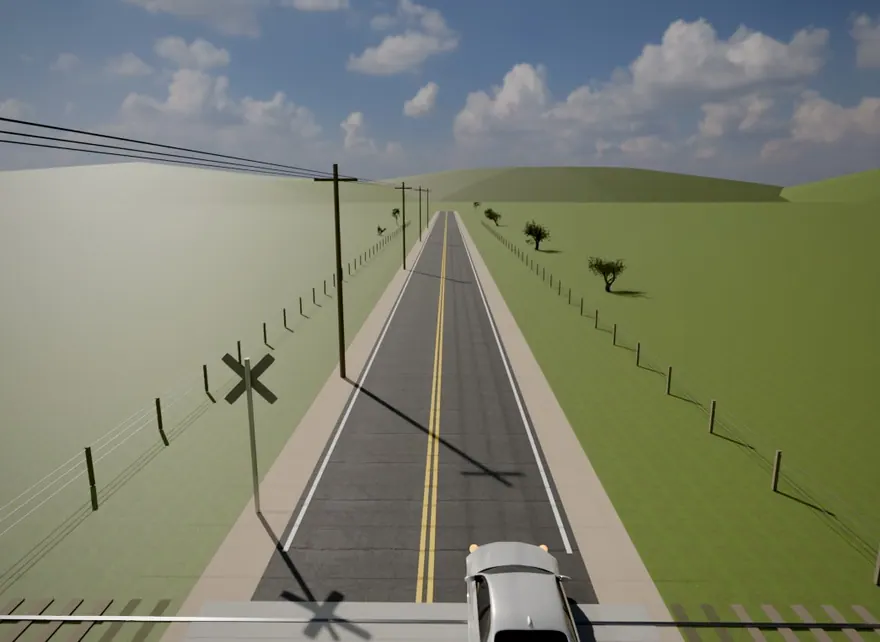
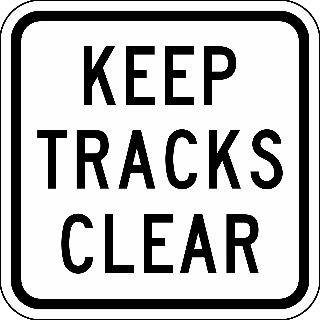
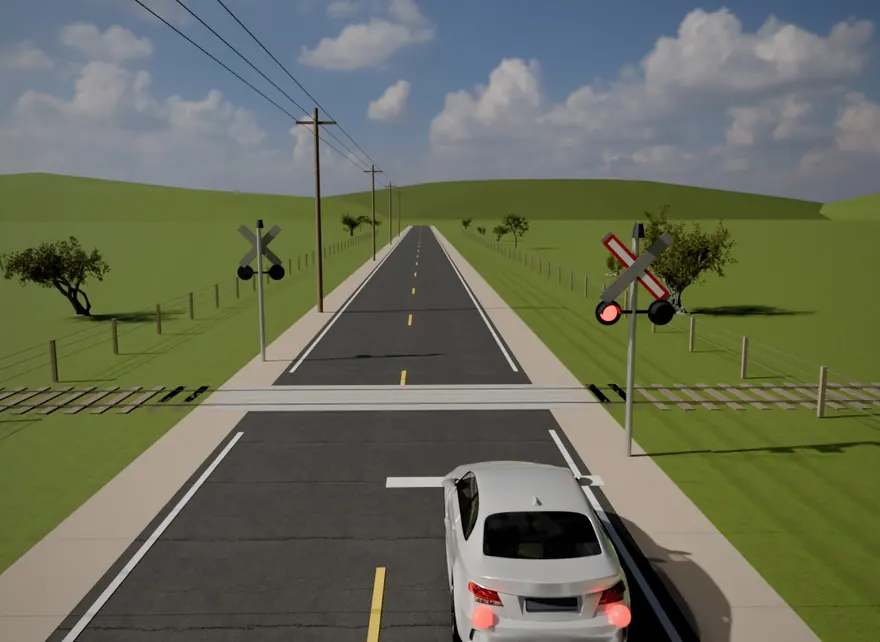
30इस संकेत वाली रेलवे क्रॉसिंग के ठीक आगे आपके आगे का ट्रैफ़िक रुका है। पटरियों के आगे आपकी कार के लिए पर्याप्त जगह नहीं है। आपको क्या करना चाहिए?Traffic ahead of you is stopped just past a railway crossing with this sign. There is not enough room for your car beyond the tracks. What should you do?
व्याख्या
पटरियों पर रुकी कार ट्रेन आने पर फँस सकती है। क्रॉसिंग के पीछे रहें (नज़दीकी पटरी से कम से कम 5 m) जब तक उसे पूरी तरह पार करने की जगह न हो।A car stopped on the tracks can be trapped when a train comes. Stay behind the crossing (at least 5 m from the nearest rail) until there is room to clear it completely.
ICBC Learn to Drive Smart, signs and school and playground zones
British Columbia में लागू
31ब्रिटिश कोलंबिया में, एक ड्राइवर पाँच साल के भीतर दूसरी बार 'Warn' फूँकता है। तत्काल सड़क किनारे प्रतिबंध क्या है?In British Columbia, a driver blows a 'Warn' for the second time within five years. What is the immediate roadside prohibition?
व्याख्या
BC के Warn प्रतिबंध पहली बार 3 दिन, पाँच साल के भीतर दूसरी बार 7 दिन और तीसरी बार 30 दिन हैं; Fail या इनकार पर 90 दिन। दंड, शुल्क और ज़ब्ती के खर्च कुल मिलाकर लगभग $600, $780, $1,330 और $1,430 होते हैं।BC's Warn prohibitions are 3 days the first time, 7 days the second time within five years and 30 days the third time; a Fail or refusal brings 90 days. Penalties, fees and impound costs total about $600, $780, $1,330 and $1,430.
Gov.bc.ca — Alcohol and drug related driving prohibitions and suspensions (updated 15 Oct 2026) (Immediate roadside prohibition penalties)
British Columbia में लागू
32ब्रिटिश कोलंबिया में, कौन सी गाड़ियाँ केवल ड्राइवर के साथ HOV लेन इस्तेमाल कर सकती हैं?In British Columbia, which vehicles may use an HOV lane with only the driver aboard?
व्याख्या
BC मोटरसाइकिलों, टैक्सियों और इलेक्ट्रिक गाड़ियों को सवारी-संख्या के नियम से मुक्त रखता है, जबकि 5,500 kg GVW या ज़्यादा की गाड़ियों पर HOV लेनों में पूरी तरह रोक है।BC exempts motorcycles, taxis and electric vehicles from the occupancy rule, while vehicles of 5,500 kg GVW or more are barred from HOV lanes entirely.
gov.bc.ca — HOV lanes
British Columbia में लागू
33ब्रिटिश कोलंबिया में, गाड़ी चलाते समय इलेक्ट्रॉनिक उपकरण इस्तेमाल करने का टिकट है:In British Columbia, the ticket for using an electronic device while driving is:
व्याख्या
BC का टिकट $368 और 4 पेनल्टी अंक है, जो आपका Driver Penalty Point प्रीमियम भी बढ़ाते हैं।The BC ticket is $368 with 4 penalty points, which also raise your Driver Penalty Point premium.
RoadSafetyBC — Electronic devices while driving
British Columbia में लागू
34नगरपालिका के बाहर BC के किसी हाईवे पर, जहाँ कोई सीमा न लिखी हो, आप कितनी तेज़ चला सकते हैं?On a BC highway outside a municipality with no posted limit, how fast may you drive?
व्याख्या
नगरपालिकाओं के बाहर डिफ़ॉल्ट 80 km/h है। ज़्यादा सीमाएँ (100 से 120 km/h) केवल वहीं लागू होती हैं जहाँ लिखी हों।Outside municipalities the default is 80 km/h. Higher limits (100 to 120 km/h) apply only where posted.
British Columbia Motor Vehicle Act s. 146
British Columbia में लागू
35BC में, स्टॉप साइन या ट्रैफ़िक सिग्नल से, आने वाली तरफ़, आपको कितनी दूरी पर पार्क करना चाहिए?In BC, how far from a stop sign or traffic signal, on the approach side, must you park?
व्याख्या
BC में पैदल पारपथ, स्टॉप साइन या ट्रैफ़िक सिग्नल की आने वाली तरफ़ 6 m के भीतर पार्किंग मना है, ताकि साइन और पार करते पैदल यात्री दिखते रहें।BC prohibits parking within 6 m of the approach side of a crosswalk, stop sign or traffic signal so the sign and crossing pedestrians stay visible.
ICBC Learn to Drive Smart — parking rules
36आपके पास लर्नर या नया (चरणबद्ध) लाइसेंस है। गाड़ी चलाते समय आपके रक्त में कितना अल्कोहल हो सकता है?You hold a learner or novice (graduated) licence. How much alcohol may you have in your blood while driving?
व्याख्या
हर प्रांत अपने चरणबद्ध लाइसेंस (graduated licensing) कार्यक्रम में लर्नर और नए ड्राइवरों पर शून्य रक्त-अल्कोहल नियम लागू करता है; एक ड्रिंक से भी आपका लाइसेंस जा सकता है।Every province applies a zero blood-alcohol rule to learner and novice drivers in its graduated licensing program; even one drink can cost you your licence.
Provincial GDL rules (all provinces); research brief §2.10
Ontario, British Columbia, Newfoundland and Labrador, Prince Edward Island में लागू
37घास वाले मीडियन वाले विभाजित हाईवे पर आपको एहसास होता है कि आपकी मंज़िल दूसरी ओर है। आप उस पार कैसे जा सकते हैं?On a divided highway with a grass median, you realise your destination is on the other side. How may you get across?
व्याख्या
Ontario (HTA s. 156), BC (MVA s. 163), NL (HTA s. 104) और PEI (HTA s. 164) विभाजित हाईवे के मीडियन (median) या बैरियर के ऊपर से, पार या उसके अंदर गाड़ी चलाने पर रोक लगाते हैं, सिवाय क्रॉसओवर या चौराहे के। अगले तक चलते रहें।Ontario (HTA s. 156), BC (MVA s. 163), NL (HTA s. 104) and PEI (HTA s. 164) forbid driving over, across or within the median or barrier of a divided highway except at a crossover or intersection. Drive on to the next one.
Ontario Highway Traffic Act, R.S.O. 1990, c. H.8, s. 156(1)(b); BC Motor Vehicle Act, RSBC 1996 c. 318, s. 163; Newfoundland and Labrador Highway Traffic Act, RSNL 1990 c. H-3, s. 104; PEI Highway Traffic Act, R.S.P.E.I. 1988 c. H-5 (current to 29 May 2026), s. 164
British Columbia में लागू
38ब्रिटिश कोलंबिया में, आप चौराहे में बाएँ मुड़ने का इंतज़ार कर रहे हैं। आपने सिग्नल दिया है और पास की सामने वाली कारों को निकलने दिया है; अगली सामने वाली कार अभी दूर है। मोटर व्हीकल एक्ट के तहत अब किसे रास्ता देना होगा?In British Columbia, you are in an intersection waiting to turn left. You have signalled and let the close oncoming cars pass; the next oncoming car is still far away. Under the Motor Vehicle Act, who must yield now?
व्याख्या
धारा 174: बाएँ मुड़ने वाला ड्राइवर चौराहे में मौजूद या तत्काल ख़तरा बनने लायक पास वाले सामने के ट्रैफ़िक को रास्ता देता है; रास्ता देने और सिग्नल देने के बाद ड्राइवर मुड़ सकता है, और तब चौराहे की ओर आते सामने के ट्रैफ़िक को मुड़ने वाली गाड़ी को रास्ता देना होगा।Section 174: a left-turning driver yields to oncoming traffic in the intersection or close enough to be an immediate hazard; having yielded and signalled, the driver may turn, and oncoming traffic approaching the intersection must then yield to the turning vehicle.
BC Motor Vehicle Act, RSBC 1996 c. 318, s. 174 Yielding right of way on left turn
British Columbia में लागू
39ब्रिटिश कोलंबिया में, पार्क करते समय किसी होटल, थिएटर, डांस हॉल या फ़ायर हॉल के प्रवेश या निकास से कितनी दूरी रखनी होगी?In British Columbia, how far from the entrance or exit of a hotel, theatre, dance hall or fire hall must you keep when parking?
व्याख्या
BC का मोटर व्हीकल एक्ट ऐसे प्रवेश द्वारों (और ग्रामीण खेल-मैदानों) के हर तरफ़ 6 m खाली रखता है ताकि लोग और आपातकालीन गाड़ियाँ अंदर-बाहर आ-जा सकें।BC's Motor Vehicle Act keeps 6 m clear on each side of such entrances (and of rural playgrounds) so people and emergency vehicles can get in and out.
BC Motor Vehicle Act s. 189 — where stopping, standing or parking is prohibited (1)(h)
British Columbia में लागू
40ब्रिटिश कोलंबिया में, जब कोई साइन न लगा हो तो नगरपालिका के अंदर गति सीमा कितनी है?In British Columbia, what is the speed limit inside a municipality when no sign is posted?
व्याख्या
BC का मोटर व्हीकल एक्ट नगरपालिका के अंदर 50 km/h और उसके बाहर 80 km/h डिफ़ॉल्ट सीमा तय करता है।BC's Motor Vehicle Act sets 50 km/h as the default limit within a municipality and 80 km/h outside one.
British Columbia Motor Vehicle Act s. 146
British Columbia में लागू
41ब्रिटिश कोलंबिया में पुलिस लिखी सीमा से 45 km/h ज़्यादा पर चल रहे एक ड्राइवर को रोकती है। टिकट के अलावा वे मौके पर क्या कर सकते हैं?Police in British Columbia stop a driver going 45 km/h over the posted limit. Besides the ticket, what can they do on the spot?
व्याख्या
BC में अत्यधिक तेज़ गति का मतलब सीमा से 40 km/h या ज़्यादा है, और पुलिस तुरंत गाड़ी 7 दिन के लिए ज़ब्त कर सकती है, बार-बार अपराध करने वालों के लिए 30 या 60 दिन तक बढ़ते हुए। खींचने और रखने का शुल्क मालिक भरता है।In BC, excessive speeding means 40 km/h or more over the limit, and police can immediately impound the vehicle for 7 days, escalating to 30 or 60 days for repeat offenders. The owner pays the towing and storage fees.
ICBC Learn to Drive Smart (2026) — Vehicle impoundment; BC Motor Vehicle Act
British Columbia में लागू
42ब्रिटिश कोलंबिया में, 30 km/h स्कूल ज़ोन साइन पर लिखा है कि ज़ोन सुबह 7:30 बजे शुरू होता है। स्कूल के दिन सुबह 7:45 बजे हैं। आपकी सीमा क्या है?In British Columbia, a 30 km/h school-zone sign states that the zone starts at 7:30 a.m. It is 7:45 a.m. on a school day. What is your limit?
व्याख्या
BC के स्कूल ज़ोन स्कूल के दिनों में सुबह 8 बजे से शाम 5 बजे तक, या साइनों पर लिखे किसी भी बढ़े हुए समय में लागू होते हैं। यहाँ साइन ज़ोन बढ़ाता है, इसलिए सुबह 7:45 बजे 30 km/h लागू है।BC school zones apply from 8 a.m. to 5 p.m. on school days, or during any extended times stated on the signs. Here the sign extends the zone, so 30 km/h applies at 7:45 a.m.
BC Motor Vehicle Act, RSBC 1996 c. 318, s. 147(1) School zones (extended times stated on signs)
43आप दो-लेन वाली सड़क पर एक गाड़ी को ओवरटेक कर रहे हैं। अपनी लेन में लौटना कब सुरक्षित है?You are passing a vehicle on a two-lane road. When is it safe to return to your lane?
व्याख्या
अपनी लेन में तभी लौटें जब आप पीछे छोड़ी गई पूरी गाड़ी अपने शीशे में देख सकें; पहले काटने से कोई सुरक्षा दूरी नहीं बचती। वापस आने से पहले सिग्नल दें।Return to your lane only when you can see the entire vehicle you passed in your mirror; cutting in earlier leaves no safety margin. Signal before moving back.
Ontario MTO Driver's Handbook — Changing positions
British Columbia में लागू
44ब्रिटिश कोलंबिया में, जब रेलवे क्रॉसिंग सिग्नल चमक रहा हो, तो सबसे नज़दीकी पटरी से आपको कितनी दूरी पर रुकना होगा?In British Columbia, when a railway crossing signal is flashing, how far from the nearest rail must you stop?
व्याख्या
BC का मोटर व्हीकल एक्ट तब सबसे नज़दीकी पटरी से 15 m के भीतर पर 5 m से कम नहीं पर रुकना ज़रूरी करता है जब सिग्नल, गेट, झंडी वाला या आती ट्रेन ट्रेन की चेतावनी दे।The BC Motor Vehicle Act requires a stop within 15 m but not less than 5 m from the nearest rail when a signal, gate, flagger or approaching train warns of a train.
BC Motor Vehicle Act s. 185
45आप दो-तरफ़ा सड़क से वन-वे सड़क में बाएँ मुड़ रहे हैं। आपको किस लेन से मुड़कर किस लेन में जाना चाहिए?You are turning left from a two-way street onto a one-way street. Which lane should you turn from and into?
व्याख्या
दो-तरफ़ा सड़क से वन-वे सड़क में मुड़ते समय मध्य रेखा के सबसे पास वाली लेन से शुरू करें और बाईं कर्ब लेन में खत्म करें, क्योंकि वन-वे की सारी लेनें आपकी दिशा में चलती हैं।Turning from a two-way road onto a one-way road, start from the lane closest to the centre line and finish in the left curb lane, since all lanes on the one-way carry your direction.
Ontario MTO Driver's Handbook — Changing directions (left turns: two-way to one-way)
British Columbia में लागू
46आप ब्रिटिश कोलंबिया में दो दिन की सड़क यात्रा पर हैं। ICBC की गाइड के अनुसार, थकान का आप पर असर सबसे ज़्यादा कब होने की संभावना है?You are on a two-day road trip across British Columbia. According to ICBC's guide, when is tiredness most likely to affect you?
व्याख्या
ICBC एक बार में बहुत दूर न चलाने और लंबी यात्रा के दूसरे दिन ख़ास सावधानी रखने की चेतावनी देता है, जब थकान का आप पर असर सबसे ज़्यादा होने की संभावना होती है।ICBC warns not to drive too far at one time and to be especially careful on the second day of a long trip, when tiredness is most likely to affect you.
47आप किसी दूसरे देश से British Columbia आते हैं, जहाँ आपके पास 18 महीने से पूर्ण लाइसेंस है। B.C. लाइसेंस के लिए आवेदन करने पर क्या होता है?You move to British Columbia from another country, where you have held a full licence for 18 months. What happens when you apply for a B.C. licence?
व्याख्या
नए निवासी B.C. में अपने पहले 90 दिनों तक वैध बाहरी लाइसेंस का उपयोग कर सकते हैं। पूर्ण-अधिकार वाला लाइसेंस पाने के लिए उन्हें कम से कम दो साल की लाइसेंसशुदा ड्राइविंग साबित करनी होगी; नहीं तो वे Graduated Licensing Program (graduated licensing) में जाते हैं (ICBC, New B.C. residents)।New residents may use a valid outside licence for their first 90 days in B.C. To receive a full-privilege licence they must prove at least two years of licensed driving; otherwise they enter the Graduated Licensing Program (ICBC, New B.C. residents).
ICBC Learn to Drive Smart (2026) ch. 9, p. 147 — New B.C. residents
48रात में 'अपनी हेडलाइट्स से आगे निकलकर चलाने' (overdrive your headlights) का क्या मतलब है?What does it mean to 'overdrive your headlights' at night?
व्याख्या
अगर आप अपनी लो बीम से रोशन जगह के भीतर नहीं रुक सकते, तो उसमें दिखने वाली किसी भी चीज़ से नहीं बच सकते; धीमे हों, ख़ासकर बिना रोशनी वाली सड़कों पर जहाँ चमकने वाले साइन आपको लगाते हैं कि आप ज़्यादा दूर देख रहे हैं।If you cannot stop within the area your low beams illuminate, you cannot avoid anything that appears in it; slow down, especially on unlit roads where reflective signs make you think you see farther.
Ontario MTO Driver's Handbook — Driving at night and in bad weather
Ontario, British Columbia, Newfoundland and Labrador में लागू
49यात्री कार का टायर कानूनी रूप से घिसा हुआ माना जाता है और बदलना ज़रूरी है जब ग्रिप की गहराई इससे कम हो:A passenger-car tire is legally worn out and must be replaced when the tread depth is less than:
व्याख्या
ओंटारियो, BC और न्यूफ़ाउंडलैंड और लैब्राडोर न्यूनतम 1.5 mm रखते हैं (ओंटारियो: किन्हीं दो पास-पास के मुख्य खाँचों में); अगर घिसाव संकेतक सड़क को छूने लगें तो टायर पहले ही बदलें।Ontario, BC and Newfoundland and Labrador set the minimum at 1.5 mm (Ontario: in any two adjacent major grooves); replace tires earlier if the wear indicators touch the road.
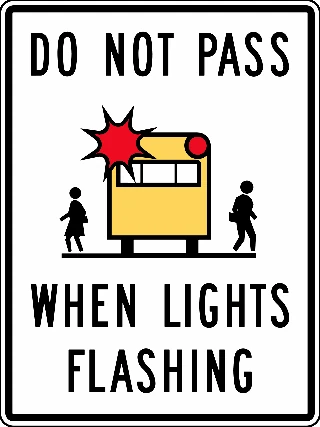
50इस संकेत का क्या अर्थ है?What does this sign mean?
व्याख्या
जब स्कूल बस (school bus) चमकती लाल बत्तियाँ दिखाती है, तो बच्चे चढ़ या उतर रहे होते हैं। बस तक पहुँचने से पहले रुकें और लाल बत्तियों का चमकना बंद होने तक ओवरटेक न करें।When a school bus shows flashing red lights, children are getting on or off. Stop before reaching the bus and do not pass until the red lights stop flashing.
ICBC Learn to Drive Smart, signs and school and playground zones