The Class 7 learner's test has two parts: Rules of the Road (20 questions, 16 to pass) and Road Sign Recognition (20 questions, 16 to pass), each with a 30-minute limit. You can write it online or at an Access Nova Scotia / RMV office, and you only retake the part you failed. This practice test uses the same two parts.
Facts checked in November 2026 against each province's official site. Rules and fees change, so confirm with your province before your test.
Nova Scotia: new Traffic Safety Act (19 Oct 2026)
Nova Scotia's Traffic Safety Act replaced the Motor Vehicle Act on 19 October 2026. The GDL structure is unchanged, but several test-relevant rules are new: 1 m when passing cyclists (even in unprotected bike lanes), a new 'dooring' offence, park within 30 cm of the curb (was 15 cm), stop for a school bus in both directions except across a divided highway, fines doubled when a vulnerable road user is affected, rear-facing car seats to age 2, and a 'check the handbook date' warning: the official handbook had not yet been updated when this app was built.
Free questions with answers and explanations. Tap an answer to check it.
Applies in Nova Scotia
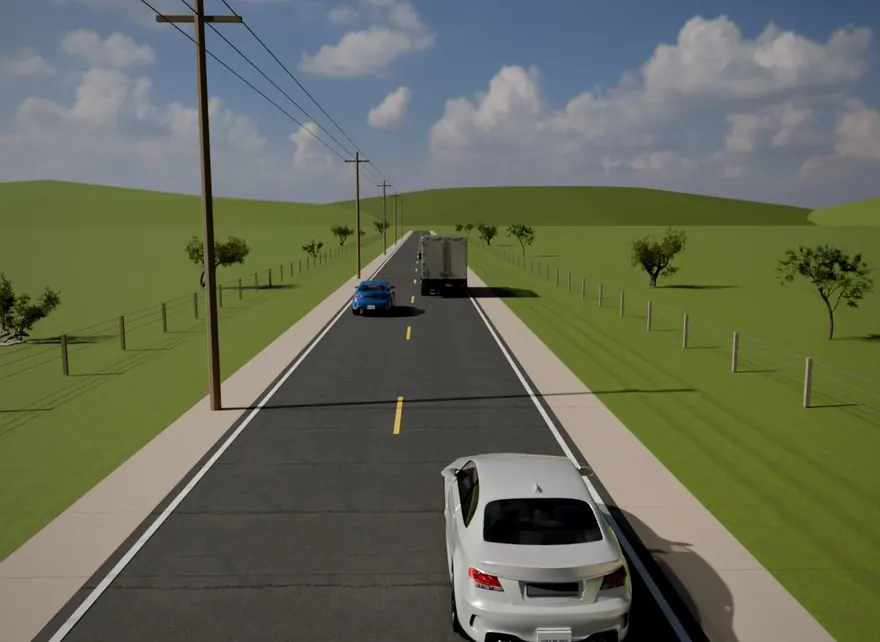
1In Nova Scotia, on a two-lane road, the car ahead of you pulls out to pass a slow truck. You also want to pass the truck. What should you do?
Explanation
Where there are only two lanes, never follow another vehicle that has already begun to pass a slower vehicle. Wait for it to finish, then check again whether you can pass safely yourself.
Nova Scotia Driver's Handbook (2026) §2.2.14 Overtaking and passing
Applies in Nova Scotia
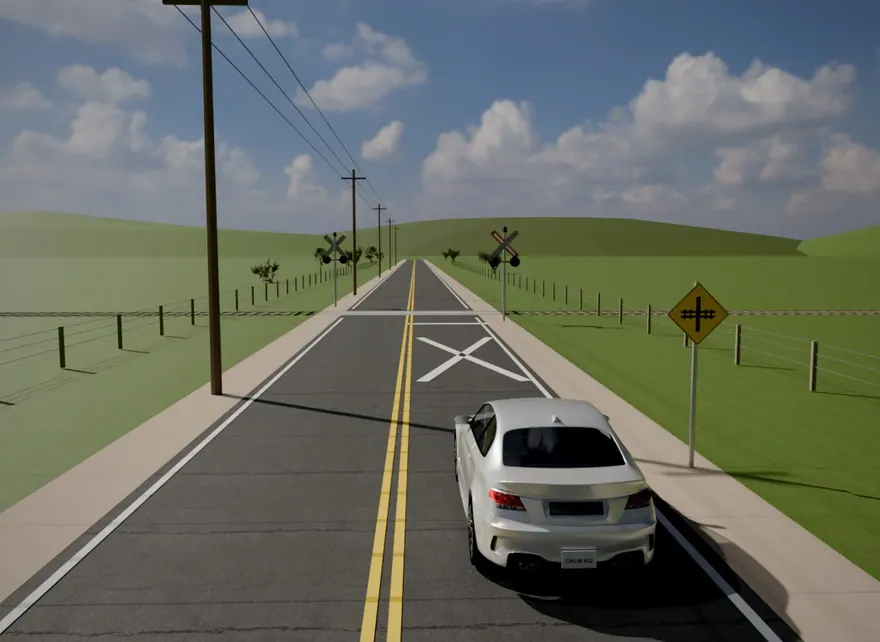
2In Nova Scotia, you are on an 80 km/h highway approaching a railway crossing. Within what distance of the crossing does a 50 km/h maximum apply?
Explanation
Nova Scotia's handbook lists situations where the maximum is 50 km/h, including when approaching within 30 m of a railway crossing.
Nova Scotia Driver's Handbook (2026) §2.2.7 Choosing a safe speed
Applies in Nova Scotia
3Under Nova Scotia's Traffic Safety Act, in force since 19 October 2026, a child must ride rear-facing until at least the age of:
Explanation
Under Nova Scotia's Traffic Safety Act (in force 19 October 2026), a child under 2 (or under 10 kg) rides rear-facing, a child stays in a 5-point harness seat until at least age 4, and a booster seat is used from age 4 until under 9 for children under 145 cm.
Nova Scotia Traffic Safety Act (19 Oct 2026) — child restraints
Applies in Nova Scotia
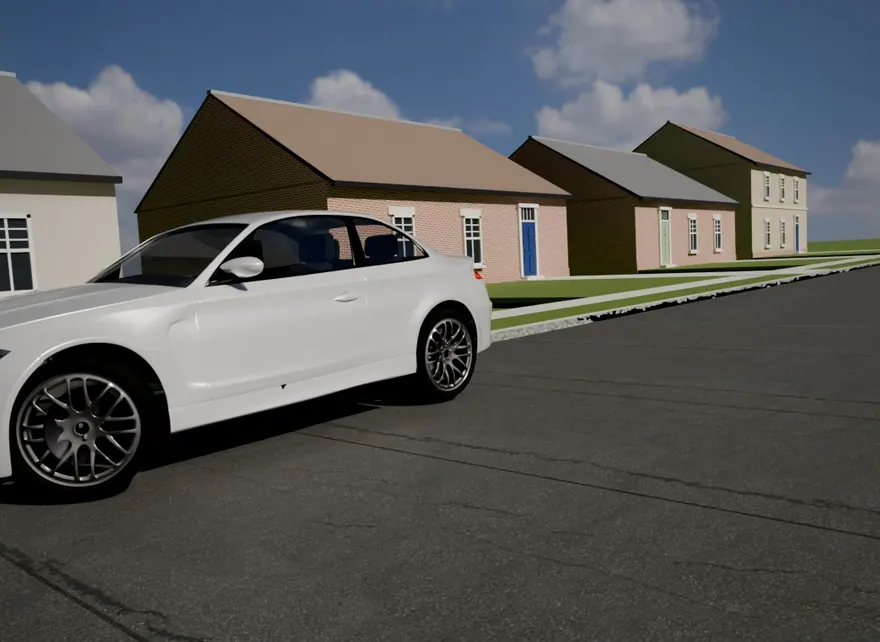
4In Nova Scotia, you park a vehicle with a manual transmission facing downhill. Which gear should you leave it in?
Explanation
Nova Scotia's handbook says to shift a manual transmission into reverse when parked facing downhill and into first when facing uphill, and always set the parking brake.
Nova Scotia Driver's Handbook (2026) §2.2.19 Parallel parking
Applies in Ontario, British Columbia, Nova Scotia
5You press the brake pedal and it goes to the floor with no effect. What is the first thing to try?
Explanation
Pumping can temporarily rebuild pressure in a hydraulic system; if it does not work, apply the parking brake gently but firmly while holding its release button.
Ontario MTO Driver's Handbook — Dealing with emergencies
Applies in Nova Scotia
6A Nova Scotian's regular licence expired 7 years ago. Before that, they had held a valid licence for 10 years. What must they do to get a licence again?
Explanation
Nova Scotia's handbook: if the licence expired less than 5 years ago (and was not a learner's), you can renew without tests. If more than 5 years ago and you had held a valid licence for at least 2 full years, you must pass a written test and a road test; otherwise you restart the GDL program.
Nova Scotia Driver's Handbook (2026) §1.2.2 Former drivers
Frequently asked questions
How many questions are on the knowledge test?
The Class 7 learner's test has two parts: Rules of the Road (20 questions, 16 to pass) and Road Sign Recognition (20 questions, 16 to pass), each with a 30-minute limit. You can write it online or at an Access Nova Scotia / RMV office, and you only retake the part you failed. This practice test uses the same two parts.
What do I need to bring to the test?
Some testing centres take walk-ins (Alberta registry agents, Ontario DriveTest centres), others need an appointment (SAAQ in Québec, ICBC in BC, Manitoba Public Insurance in most places). Bring original proof of identity, date of birth and signature (for example a passport, birth certificate, PR card or provincial health card) and, under 18, a parent's consent where required. A vision test is usually done the same day. Each attempt has a fee, which varies by province. Use the official link on your province's card in this app for the current rules and prices.
What happens if I fail?
There is no limit on attempts, but each one costs a fee and most provinces impose a wait: next day in Alberta and Saskatchewan, 7 days for GDL applicants in Manitoba, and 28 days in Québec and one day in BC. Ontario lets you retake either failed part (signs or rules) separately. Review the sections you missed in the app's weak-topic drill before rebooking.
Are these the real test questions?
No. Every question here and in the app is an original practice question written from the provincial handbooks. Real test questions are never reproduced. The questions practise the same rules, signs and numbers the handbooks teach.
Is Theory Hub connected to DriveTest, ICBC or the SAAQ?
Independent study app. Not affiliated with, endorsed by or connected to DriveTest, the Ontario Ministry of Transportation, ICBC, Alberta Registries, SAAQ, Manitoba Public Insurance, SGI or any provincial, territorial or federal government. All questions are original practice questions written from the official handbooks; real test questions are never reproduced. Rules and fees change — always confirm with your province's official site before your test.