CATheory Hub
English

Speed limits: practice questions

Free questions with answers and explanations. Tap an answer to check it.

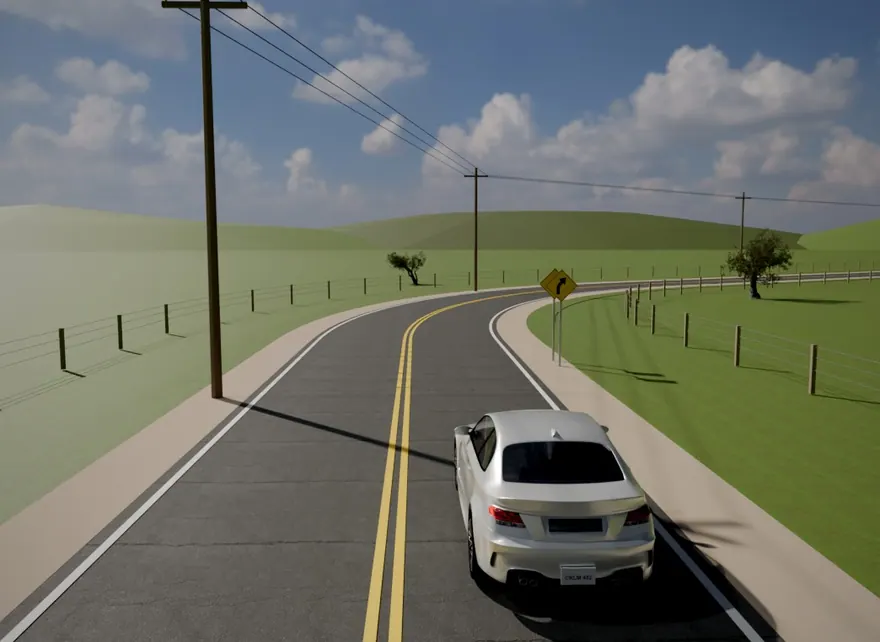
1Which of these are correct ways to handle speed on a curve? Select all that apply.
Select all that apply

Explanation

Reduce speed before a curve so you need no extra braking in it, and stay on your side of the road. Braking hard in a curve can cause a skid, especially on a slippery surface.

Manitoba Driver's Handbook (MPI) — Curves; Nova Scotia Driver's Handbook (2026) §2.2.9 Curves or sharp turns
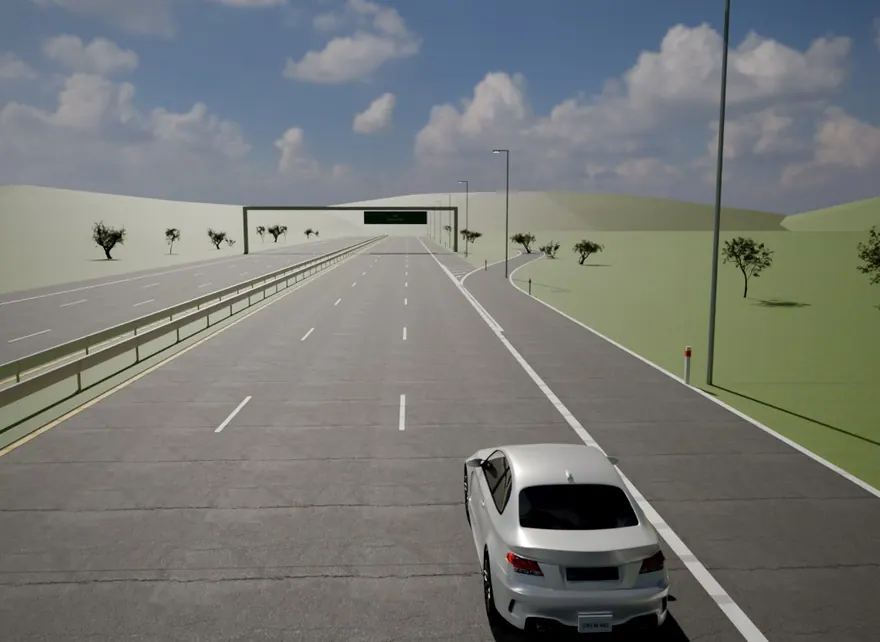
2A yellow sign at a freeway off-ramp shows a curved arrow with 40 km/h. What does the number mean?

Explanation

Yellow ramp or curve speed signs are advisory: they tell you the speed at which the ramp can be taken safely in good conditions, and you should go slower when it is wet or icy.

Ontario MTO Driver's Handbook — Signs (ramp speed / advisory speed)

3Which Canadian province has a single default limit of 80 km/h everywhere no sign is posted, so that lower urban limits must always be signed at the town entrance?

Explanation

Saskatchewan's default is 80 km/h unless otherwise posted; its 50 km/h urban limits are posted at town entrances, whereas other provinces have a statutory 50 km/h urban default.

research/ca.md §3.1 — default speeds by province (SGI Driver's Handbook)

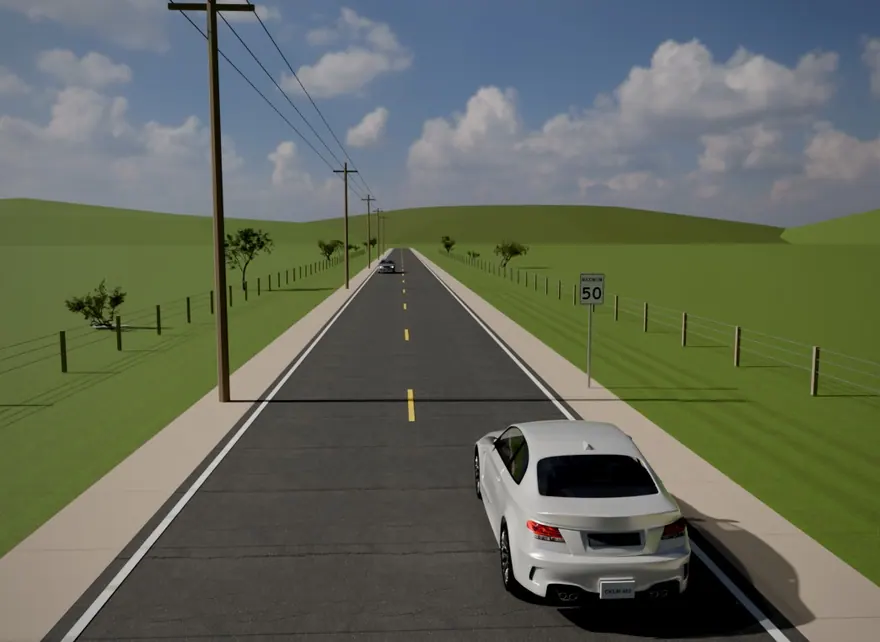
4You are in an 80 km/h zone and see a MAXIMUM 50 sign 200 m ahead. By when must you be at or below 50 km/h?

Explanation

A new limit takes effect at its sign, so begin slowing early enough to be at or below the new limit when you pass it; a Reduced Speed Ahead sign may warn you first.

Ontario MTO Driver's Handbook — Signs (reduced speed ahead)

5A construction zone is posted MAXIMUM 60 on a road normally limited to 90 km/h. It is Sunday and no workers or equipment are present. What limit applies?

Explanation

A work-zone MAXIMUM sign is enforceable like any speed limit while it is posted; the presence of workers affects whether fines are doubled, not whether the limit applies.

Ontario MTO Driver's Handbook — Signs (temporary conditions: work zone maximum)

6In which of these situations should you drive BELOW the posted maximum? Select all that apply.

Select all that apply

Explanation

The posted maximum is the legal ceiling for good conditions; weather, visibility, traffic and road conditions can all require a lower speed.

Ontario MTO Driver's Handbook — Signs (maximum speed is for ideal conditions)

7After an hour at 100 km/h, you take a freeway exit. Why should you check your speedometer on the ramp?

Explanation

Losing your ability to judge speed after a long time at high speed is called speed adaptation or velocitization. Check the speedometer and slow to the ramp's posted speed.

Ontario MTO Driver's Handbook — Freeway driving (leaving a freeway; velocitization)

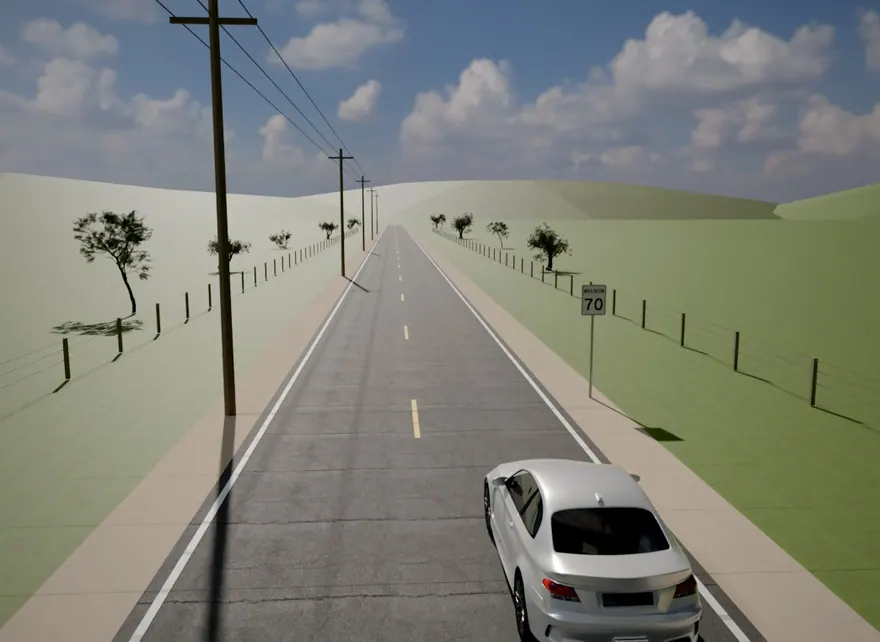
8You are on a rural highway where the provincial default would be 80 km/h, but a sign reads MAXIMUM 70. Which limit applies?

Explanation

Default limits apply only where nothing is posted; wherever a MAXIMUM sign is displayed, that posted limit is the legal maximum.

Provincial highway traffic statutes — posted limits override defaults

The app has 162 more questions on this topic, including the ones that apply only in your province.

Next topic: Turning, lanes & passing →Start a free practice test