CATheory Hub
English

Safe driving & following distance: practice questions

Free questions with answers and explanations. Tap an answer to check it.

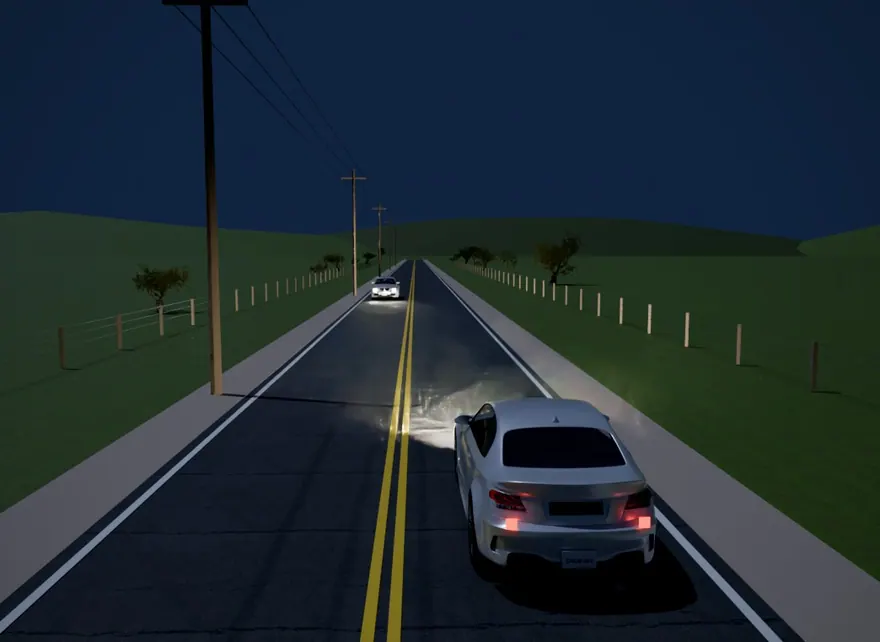
1At night an oncoming driver's headlights are dazzling you. Where should you look?
Explanation

Looking toward the right edge of your lane keeps your eyes off the glare while you still track the road; never stare into the lights.

Ontario MTO Driver's Handbook — Driving at night and in bad weather
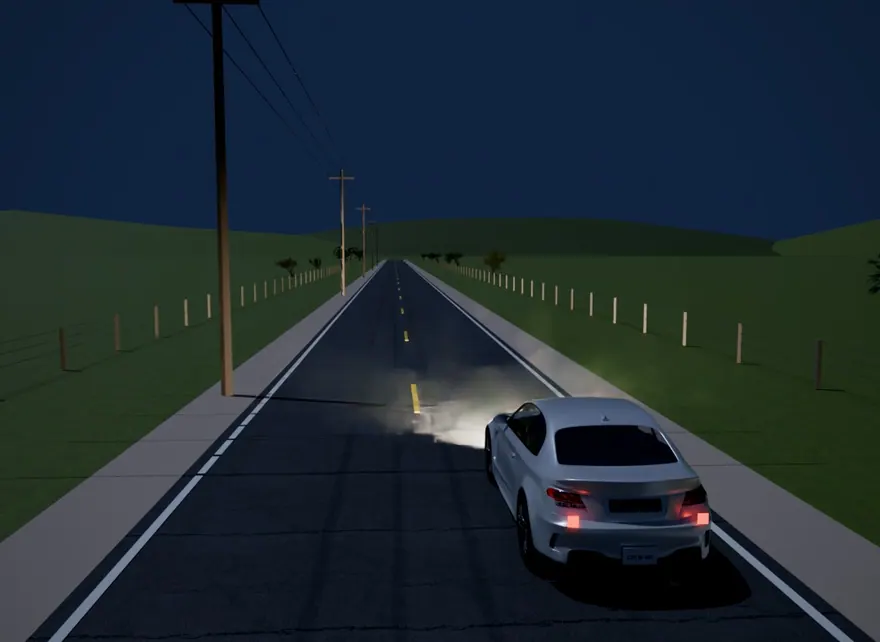
2According to a study cited in Nova Scotia's handbook, what share of crashes could be avoided if drivers had just one more second to react?

Explanation

Looking ahead, scanning and avoiding distractions buy you time. A study found that one extra second of reaction time could prevent about 80 percent of crashes.

Nova Scotia Driver's Handbook (2026) §1.4.1 Being prepared

3To save fuel on a hot day, what does Ontario's handbook recommend at highway speeds?

Explanation

At high speeds, open windows reduce the vehicle's aerodynamics, so vents or air conditioning are usually more efficient. In city stop-and-go traffic, windows and vents are the better choice.

Ontario MTO Driver's Handbook — Driving efficiently (While driving)

4You feel sleepy on a rural highway and there is no rest area nearby. If you must stop at the side of the road to rest, what should you do?

Explanation

Being drowsy is like being drugged. Stop and rest: ideally at a rest area, motel or hotel; if you must park beside the road, pull well over and use your four-way flashers so you are not struck.

Manitoba Driver's Handbook (MPI) — Drowsiness or fatigue

5A driver behind you is honking, tailgating and gesturing angrily. What is the safest response?

Explanation

Don't take traffic problems personally, compete or retaliate. Avoid eye contact and gestures, and let an aggressive driver pass. Leave enforcement to the police.

SGI Saskatchewan Driver's Handbook 2026-27 §6.13 Aggressive driving; Ontario MTO Driver's Handbook — Dealing with particular situations

6If another driver breaks a traffic rule and causes a dangerous situation, you can never be found responsible for the resulting collision.

Explanation

Everyone is responsible for avoiding collisions. Even if someone else does something wrong, you may be found responsible if you could have done something to avoid the crash.

Ontario MTO Driver's Handbook — Safe and responsible driving

7As your vehicle goes faster, what happens to your field of vision?

Explanation

The SAAQ handbook explains that your visual field shrinks as speed increases, much as it does when you stare at one object; alcohol, drugs and fatigue have the same effect.

SAAQ Driver's Handbook, ch. 1 — Field of vision

8A heated argument starts between you and a passenger while you are driving. What should you do?

Explanation

Strong emotions and driving do not mix. If there is an argument in the vehicle, safely park so you can deal with it, and stay off the road until you can give driving your full attention.

Nova Scotia Driver's Handbook (2026) §6.2.3 Emotional and physical stress

The app has 147 more questions on this topic, including the ones that apply only in your province.

Next topic: Sharing the road →Start a free practice test