Can you take the G1 or your province's knowledge test in Hindi, and how do you prepare if English is not your first language? The short answer, then free practice.
Can you take the G1 test in Hindi?
Ontario's G1 test languages are not listed in our sources, so ask DriveTest before you book. Elsewhere, according to each province: Québec: French or English; New Brunswick: English or French; British Columbia: several languages; Alberta: many languages; Manitoba: English, French and many other languages. If Hindi is not offered where you live, you can take the test in English or French.
Facts checked in November 2026 against each province's official site. Rules and fees change, so confirm with your province before your test.
How to prepare in Hindi
Every free question on this site is also in Hindi, with English one tap away. Learn the rule in Hindi, then switch the question to English so the English road terms (yield, right-of-way, demerit points) are familiar on test day.
Q = questions · ✓ = to pass · ′ = minutes · ∞ = no time limit
Sample questions in Hindi
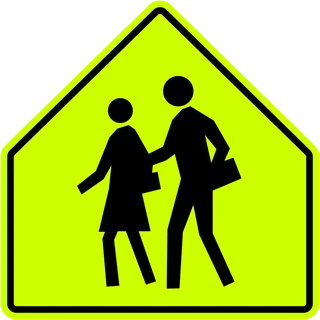
1इस पाँच भुजाओं वाले साइन का क्या मतलब है?What does this five-sided sign mean?
व्याख्या
फ़्लोरोसेंट पीला-हरा पंचकोण स्कूल ज़ोन (school zone) दिखाता है। बच्चों पर नज़र रखें, क्रॉसिंग गार्ड और किसी भी कम गति सीमा का पालन करें।The fluorescent yellow-green pentagon marks a school zone. Watch for children, obey crossing guards and any reduced speed limit.
Ontario MTO Driver's Handbook — Signs (sign: school_zone)
2जहाँ No Stopping साइन लगा हो, वहाँ भी आप किसी यात्री को उतारने के लिए थोड़ी देर रुक सकते हैं।Where a No Stopping sign is posted, you may still stop briefly to let a passenger out.
व्याख्या
No Stopping का मतलब है बिल्कुल न रुकना, सिवाय ट्रैफ़िक नियम मानने के। यात्रियों को उतारना No Standing में और सामान लादना-उतारना No Parking में अनुमति है।No Stopping means no stopping at all except to obey traffic. Letting passengers out is allowed under No Standing, and loading goods under No Parking.
Ontario MTO Driver's Handbook — Signs (no stopping / no standing)
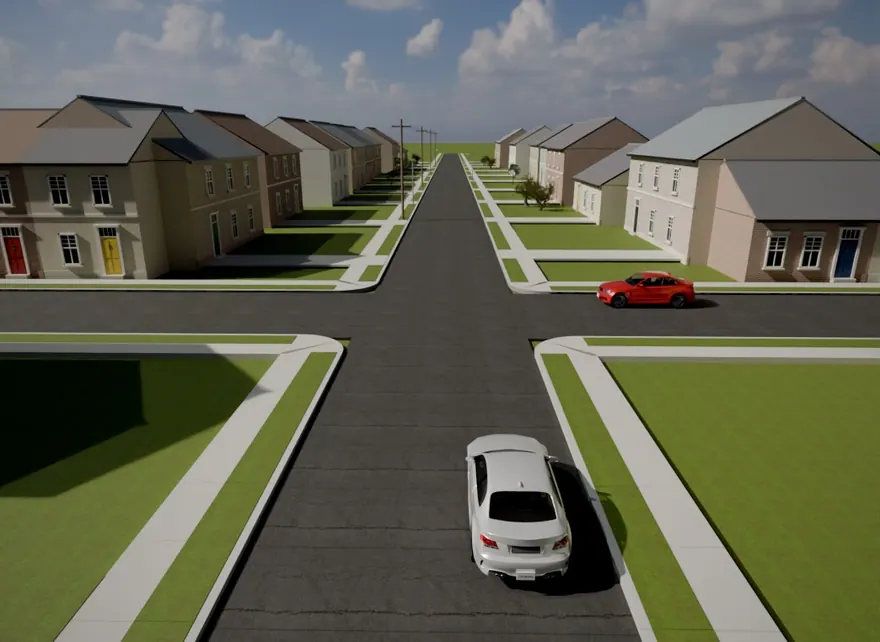
3आप बिना साइन या सिग्नल वाले चौराहे पर ठीक उसी समय पहुँचते हैं जब आपकी दाईं ओर से एक दूसरी कार। पहले जाने का अधिकार (right-of-way) किसका है?You reach an intersection with no signs or signals at the same moment as another car on your right. Who has the right-of-way?
व्याख्या
बिना नियंत्रण वाले चौराहे (uncontrolled intersection) पर, जब दो गाड़ियाँ एक साथ पहुँचें, तो दाईं ओर से आने वाली गाड़ी को पहले जाने का अधिकार होता है।At an uncontrolled intersection, when two vehicles arrive at the same time, the vehicle approaching from the right has the right-of-way.
Ontario MTO Driver's Handbook — Driving through intersections
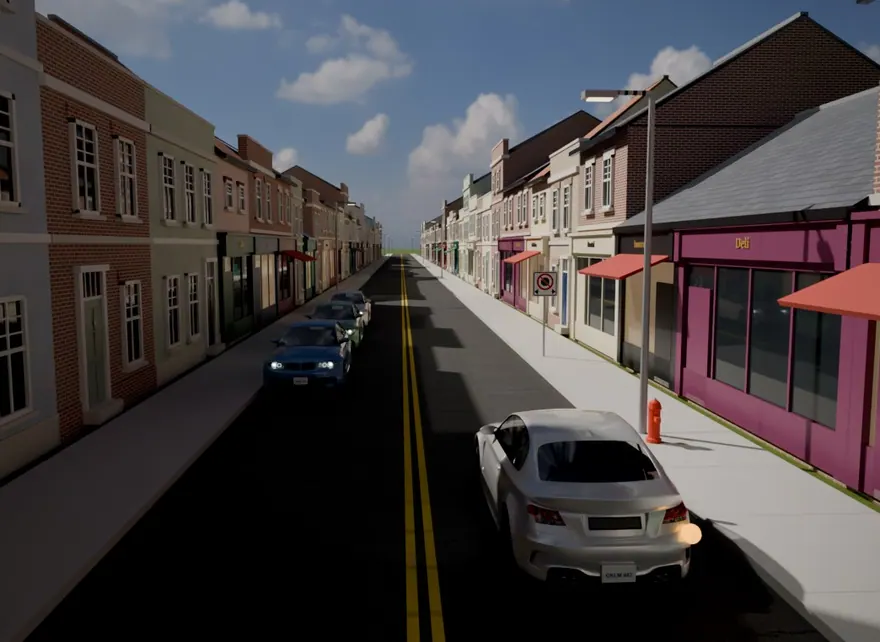
4सड़क पर पेंट की गई पीली और सफ़ेद रेखाओं में क्या अंतर है?What is the difference between yellow and white lines painted on the road?
व्याख्या
पीली रेखाएँ हमेशा आमने-सामने के ट्रैफ़िक को अलग करती हैं, इसलिए आपकी बाईं ओर पीली रेखा का मतलब है कि दूसरी तरफ़ गाड़ियाँ आपकी ओर आती हैं। सफ़ेद रेखाएँ एक ही दिशा में जाने वाली लेनों को अलग करती हैं।Yellow lines always separate opposing traffic, so a yellow line on your left means vehicles come toward you on the other side. White lines separate lanes travelling the same way.
Ontario MTO Driver's Handbook — Pavement markings
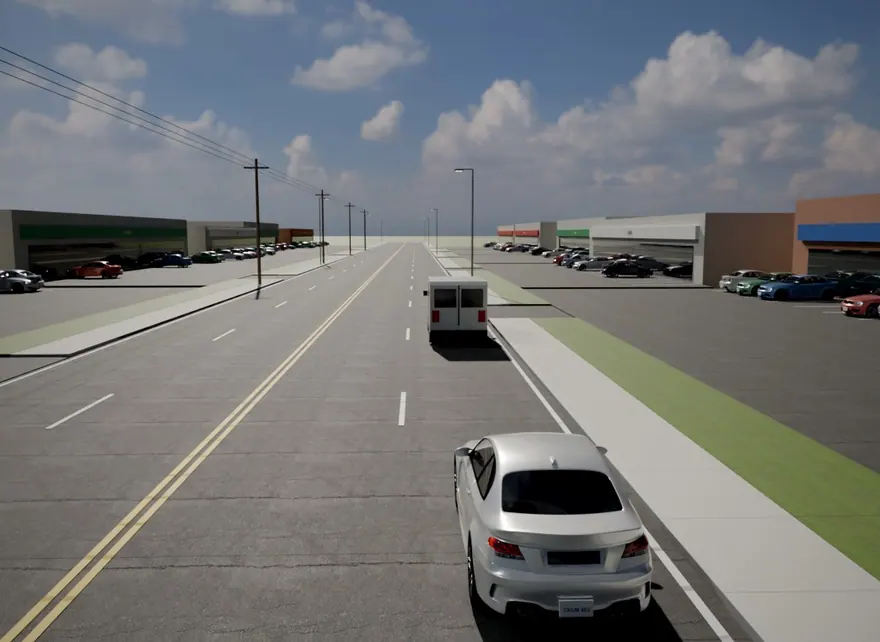
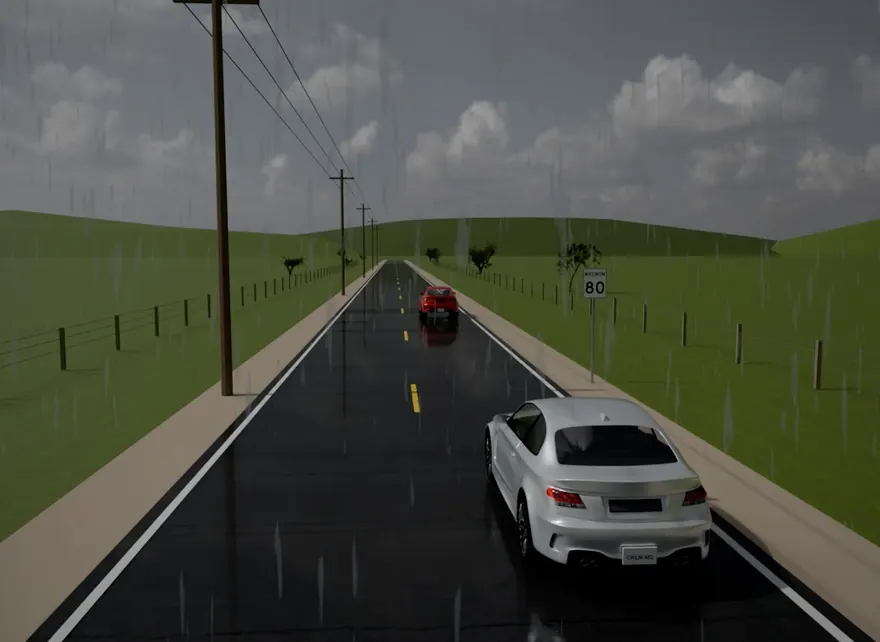
5लिखी हुई अधिकतम (MAXIMUM) गति वह गति है जिस पर आपको हमेशा चलना चाहिए, भारी बारिश या बर्फ़ में भी।The posted MAXIMUM speed is the speed you should always drive at, even in heavy rain or snow.
व्याख्या
लिखी अधिकतम गति आदर्श स्थितियों के लिए है। बारिश, बर्फ़, कोहरे या भारी ट्रैफ़िक में आपको उन स्थितियों के लिए सुरक्षित गति तक धीमा होना होगा।The posted maximum applies in ideal conditions. In rain, snow, fog or heavy traffic you must slow down to a speed that is safe for the conditions.
Ontario MTO Driver's Handbook — speed
Frequently asked questions
Can you take the G1 test in Hindi?
Ontario's G1 test languages are not listed in our sources, so ask DriveTest before you book. Elsewhere, according to each province: Québec: French or English; New Brunswick: English or French; British Columbia: several languages; Alberta: many languages; Manitoba: English, French and many other languages. If Hindi is not offered where you live, you can take the test in English or French.
How many questions are on the knowledge test?
It depends on the province. BC's ICBC test has 50 questions with 40 to pass in 45 minutes. Alberta's Class 7 test has 30 questions with 25 to pass. Nova Scotia and New Brunswick use two parts of 20 questions with 16 to pass in each. Ontario's DriveTest asks for 80% overall, Québec's pass mark is reported as 75% and Newfoundland and Labrador asks for 85%. Québec, Manitoba, Saskatchewan, Newfoundland and Labrador and PEI do not publish the number of questions.
Can I take the knowledge test in another language?
In Québec the SAAQ exam is in French or English, and New Brunswick's exam is in English or French. BC offers its test in several languages, Alberta in many languages, and Manitoba in English, French and many other languages. For Ontario and the other provinces, check the official site before you book.
Can I write the knowledge test online?
In some provinces, yes: BC (online or at a driver licensing office), Nova Scotia (online or at Access Nova Scotia / RMV), New Brunswick (online or at Service New Brunswick) and Newfoundland and Labrador (online through MyGovNL or at Motor Registration). Ontario's G1 is taken at a DriveTest centre and Alberta's at a registry agent.
Are these the real test questions?
No. Every question here and in the app is an original practice question written from the provincial handbooks. Real test questions are never reproduced. The questions practise the same rules, signs and numbers the handbooks teach.