Can you take the G1 or your province's knowledge test in Chinese, and how do you prepare if English is not your first language? The short answer, then free practice.
Can you take the G1 test in Chinese?
Ontario's G1 test languages are not listed in our sources, so ask DriveTest before you book. Elsewhere, according to each province: Québec: French or English; New Brunswick: English or French; British Columbia: several languages; Alberta: many languages; Manitoba: English, French and many other languages. If Chinese is not offered where you live, you can take the test in English or French.
Facts checked in November 2026 against each province's official site. Rules and fees change, so confirm with your province before your test.
How to prepare in Chinese
Every free question on this site is also in Chinese, with English one tap away. Learn the rule in Chinese, then switch the question to English so the English road terms (yield, right-of-way, demerit points) are familiar on test day.
Q = questions · ✓ = to pass · ′ = minutes · ∞ = no time limit
Sample questions in Chinese
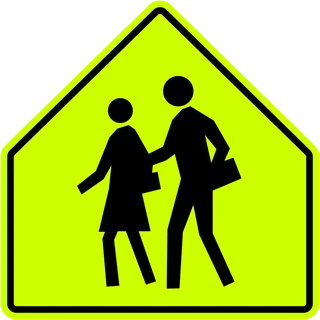
1这个五边形标志是什么意思?What does this five-sided sign mean?
解析
荧光黄绿色五边形标示学校区域。注意儿童,服从过街引导员和任何降低的限速。The fluorescent yellow-green pentagon marks a school zone. Watch for children, obey crossing guards and any reduced speed limit.
Ontario MTO Driver's Handbook — Signs (sign: school_zone)
2在设有“No Stopping”(禁止停车)标志的地方,你仍然可以短暂停车让乘客下车。Where a No Stopping sign is posted, you may still stop briefly to let a passenger out.
解析
“No Stopping”表示除遵守交通指挥外完全不准停车。“No Standing”(禁止停留)允许上下乘客,“No Parking”(禁止泊车)允许装卸货物。No Stopping means no stopping at all except to obey traffic. Letting passengers out is allowed under No Standing, and loading goods under No Parking.
Ontario MTO Driver's Handbook — Signs (no stopping / no standing)
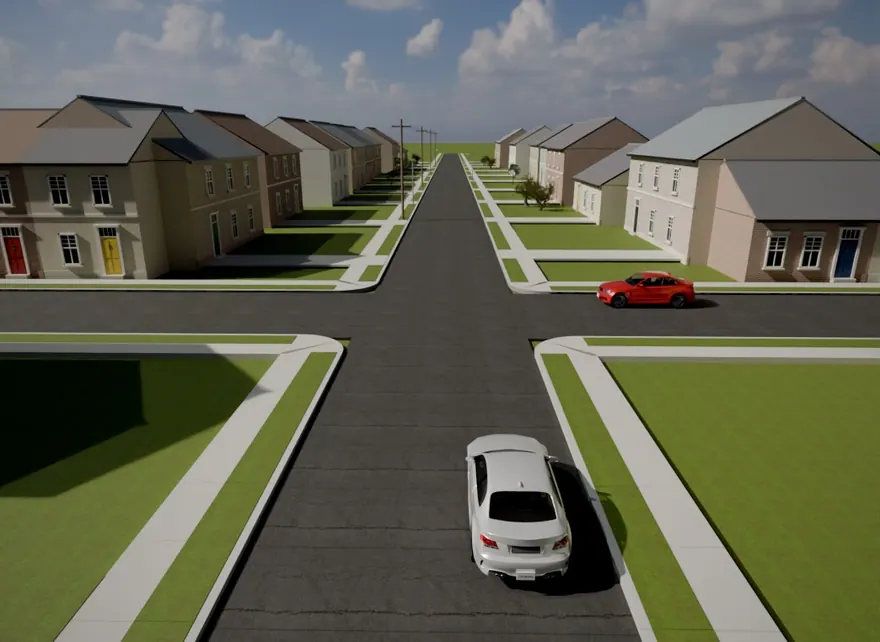
3你在没有标志或信号灯的路口与右侧另一辆车同时到达。谁有优先通行权(right-of-way)?You reach an intersection with no signs or signals at the same moment as another car on your right. Who has the right-of-way?
解析
在无管制路口(uncontrolled intersection),两车同时到达时,从右侧驶来的车辆有优先通行权。At an uncontrolled intersection, when two vehicles arrive at the same time, the vehicle approaching from the right has the right-of-way.
Ontario MTO Driver's Handbook — Driving through intersections
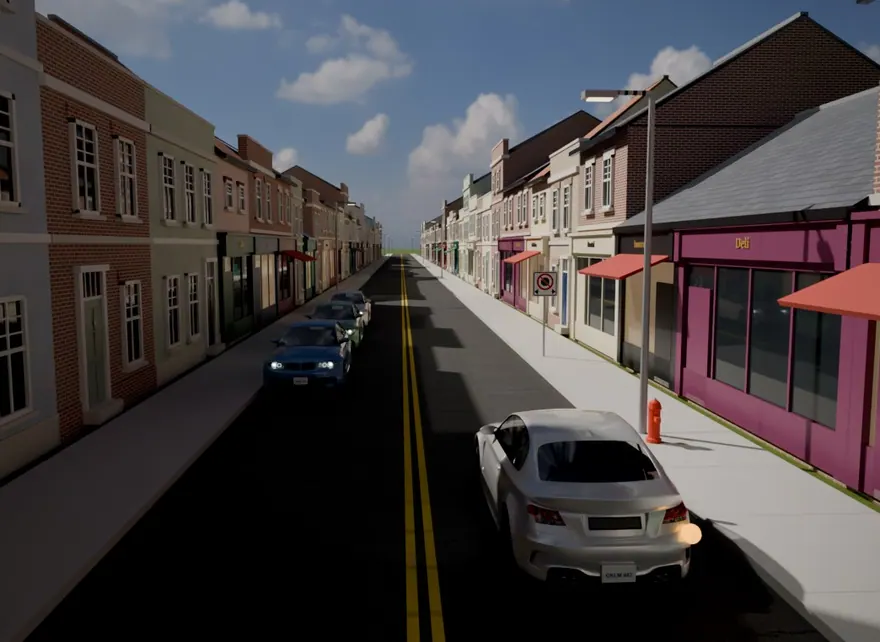
4道路上画的黄线和白线有什么区别?What is the difference between yellow and white lines painted on the road?
解析
黄线总是分隔对向车流,所以你左边有黄线就表示另一侧车辆朝你驶来。白线分隔同向行驶的车道。Yellow lines always separate opposing traffic, so a yellow line on your left means vehicles come toward you on the other side. White lines separate lanes travelling the same way.
Ontario MTO Driver's Handbook — Pavement markings
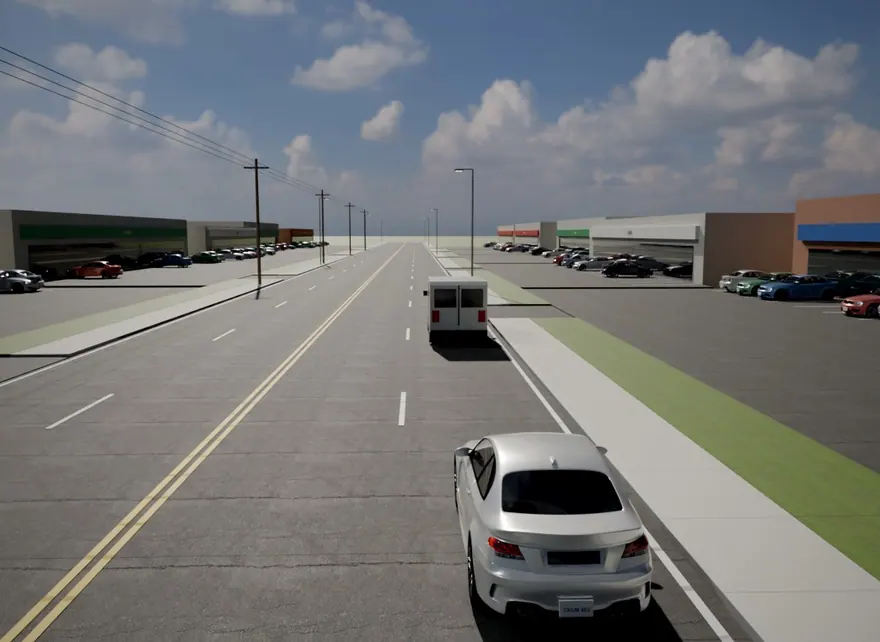
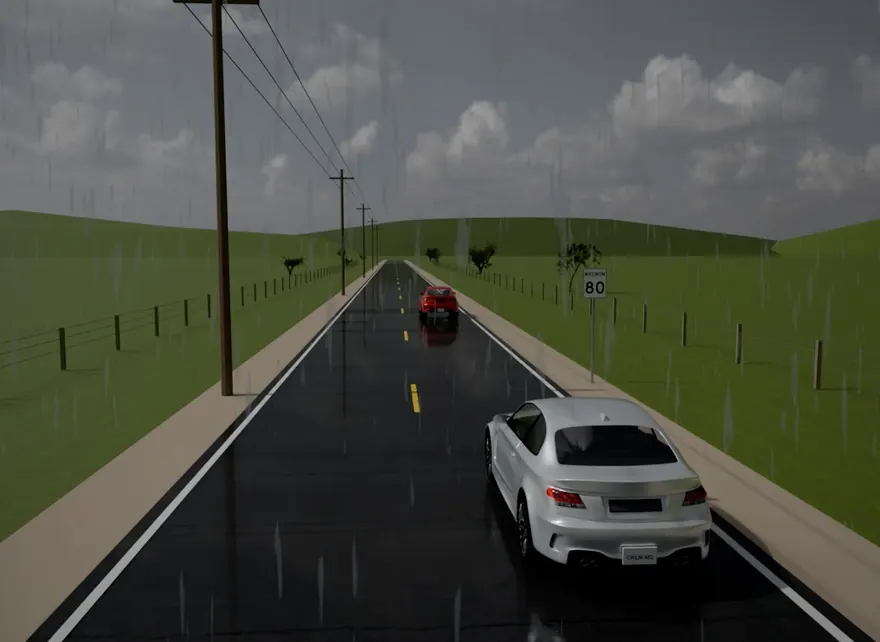
5标示的最高(MAXIMUM)车速是你应该一直保持的车速,即使在大雨或大雪中也是如此。The posted MAXIMUM speed is the speed you should always drive at, even in heavy rain or snow.
解析
标示的最高限速适用于理想条件。在雨、雪、雾或交通繁忙时,你必须减速到适合当时条件的安全车速。The posted maximum applies in ideal conditions. In rain, snow, fog or heavy traffic you must slow down to a speed that is safe for the conditions.
Ontario MTO Driver's Handbook — speed
Frequently asked questions
Can you take the G1 test in Chinese?
Ontario's G1 test languages are not listed in our sources, so ask DriveTest before you book. Elsewhere, according to each province: Québec: French or English; New Brunswick: English or French; British Columbia: several languages; Alberta: many languages; Manitoba: English, French and many other languages. If Chinese is not offered where you live, you can take the test in English or French.
How many questions are on the knowledge test?
It depends on the province. BC's ICBC test has 50 questions with 40 to pass in 45 minutes. Alberta's Class 7 test has 30 questions with 25 to pass. Nova Scotia and New Brunswick use two parts of 20 questions with 16 to pass in each. Ontario's DriveTest asks for 80% overall, Québec's pass mark is reported as 75% and Newfoundland and Labrador asks for 85%. Québec, Manitoba, Saskatchewan, Newfoundland and Labrador and PEI do not publish the number of questions.
Can I take the knowledge test in another language?
In Québec the SAAQ exam is in French or English, and New Brunswick's exam is in English or French. BC offers its test in several languages, Alberta in many languages, and Manitoba in English, French and many other languages. For Ontario and the other provinces, check the official site before you book.
Can I write the knowledge test online?
In some provinces, yes: BC (online or at a driver licensing office), Nova Scotia (online or at Access Nova Scotia / RMV), New Brunswick (online or at Service New Brunswick) and Newfoundland and Labrador (online through MyGovNL or at Motor Registration). Ontario's G1 is taken at a DriveTest centre and Alberta's at a registry agent.
Are these the real test questions?
No. Every question here and in the app is an original practice question written from the provincial handbooks. Real test questions are never reproduced. The questions practise the same rules, signs and numbers the handbooks teach.