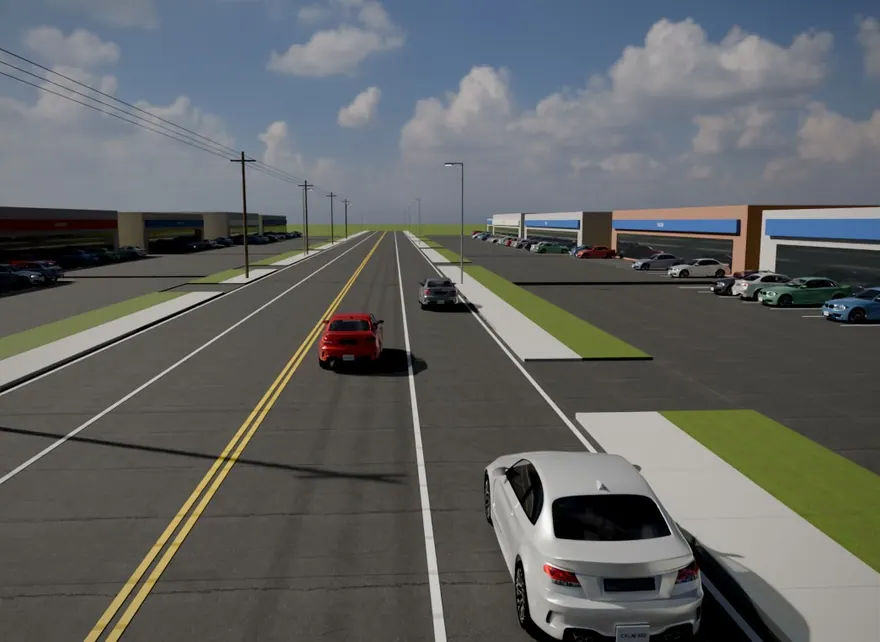
1ਤੁਹਾਡੀ ਦਿਸ਼ਾ ਵਿੱਚ ਜਾਂਦੀਆਂ ਦੋ ਲੇਨਾਂ ਲਗਾਤਾਰ (SOLID) ਚਿੱਟੀ ਲਾਈਨ ਨਾਲ ਵੱਖ ਹਨ। ਕੀ ਤੁਸੀਂ ਇਸ ਨੂੰ ਪਾਰ ਕਰਕੇ ਲੇਨ ਬਦਲ ਸਕਦੇ ਹੋ?Two lanes going your way are separated by a SOLID white line. May you change lanes across it?
ਵਿਆਖਿਆ
ਇੱਕੋ ਦਿਸ਼ਾ ਦੇ ਟ੍ਰੈਫ਼ਿਕ ਦੀਆਂ ਲੇਨਾਂ ਵਿਚਕਾਰ ਲਗਾਤਾਰ ਚਿੱਟੀ ਲਾਈਨ ਦਾ ਮਤਲਬ ਹੈ ਤੁਹਾਨੂੰ ਆਪਣੀ ਲੇਨ ਵਿੱਚ ਰਹਿਣਾ ਲਾਜ਼ਮੀ ਹੈ। BC, ਨਿਊਫ਼ਾਊਂਡਲੈਂਡ ਐਂਡ ਲੈਬਰਾਡੋਰ ਅਤੇ PEI ਦਾ ਕਾਨੂੰਨ ਲਗਾਤਾਰ ਲਾਈਨ ਪਾਰ ਕਰਨ ਵਾਲੀ ਲੇਨ ਤਬਦੀਲੀ ਦੀ ਮਨਾਹੀ ਕਰਦਾ ਹੈ, ਅਤੇ ਮੈਨੀਟੋਬਾ ਅਤੇ ਐਲਬਰਟਾ ਦੀਆਂ ਹੈਂਡਬੁੱਕਾਂ ਕਹਿੰਦੀਆਂ ਹਨ ਕਿ ਲੇਨ ਬਦਲਣ ਦੀ ਇਜਾਜ਼ਤ ਨਹੀਂ।A solid white line between lanes of same-direction traffic means you must stay in your lane. BC, Newfoundland and Labrador and PEI law forbid a lane change that requires crossing a solid line, and the Manitoba and Alberta handbooks say lane changing is not permitted.
BC MVA s.151(b); Manitoba Driver's Handbook (MPI) — Pavement markings; NL HTA s.101(b); PEI HTA s.159(b); Alberta Driver's Guide (2026), Ch. 3 Lane markings (contains information licensed under the Open Government Licence – Alberta)
ਬ੍ਰਿਟਿਸ਼ ਕੋਲੰਬੀਆ, ਪ੍ਰਿੰਸ ਐਡਵਰਡ ਆਈਲੈਂਡ ਵਿੱਚ ਲਾਗੂ
2ਬ੍ਰਿਟਿਸ਼ ਕੋਲੰਬੀਆ ਜਾਂ ਪ੍ਰਿੰਸ ਐਡਵਰਡ ਆਈਲੈਂਡ ਉੱਤੇ, ਇੱਕ ਕਾਰ ਜੋ ਕਾਨੂੰਨੀ ਤੌਰ 'ਤੇ ਤੁਹਾਡੇ ਕੰਟਰੋਲ ਵਿੱਚ ਨਹੀਂ, ਤੁਹਾਡਾ ਡਰਾਈਵਵੇਅ ਰੋਕਦੀ ਹੈ। ਤੁਸੀਂ ਉਸ ਨੂੰ ਕੁਝ ਮੀਟਰ ਧੱਕ ਕੇ ਪੈਦਲ ਲਾਂਘੇ ਉੱਤੇ ਛੱਡ ਦਿੰਦੇ ਹੋ। ਕਿਹੜਾ ਕਥਨ ਸਹੀ ਹੈ?In British Columbia or on Prince Edward Island, a car that is not lawfully under your control blocks your driveway. You push it a few metres and leave it on a crosswalk. Which statement is correct?
ਵਿਆਖਿਆ
BC MVA s.189(2) ਅਤੇ PEI HTA s.205(2) ਕਾਨੂੰਨੀ ਤੌਰ 'ਤੇ ਤੁਹਾਡੇ ਕੰਟਰੋਲ ਵਿੱਚ ਨਾ ਹੋਣ ਵਾਲੇ ਵਾਹਨ ਨੂੰ ਕਿਸੇ ਵੀ ਅਜਿਹੀ ਥਾਂ ਲਿਜਾਣ ਦੀ ਮਨਾਹੀ ਕਰਦੇ ਹਨ ਜਿੱਥੇ ਰੁਕਣਾ, ਖੜ੍ਹਨਾ ਜਾਂ ਪਾਰਕ ਕਰਨਾ ਮਨ੍ਹਾ ਹੈ, ਜਿਵੇਂ ਪੈਦਲ ਲਾਂਘਾ। ਰਸਤਾ ਰੋਕਣ ਵਾਲਾ ਵਾਹਨ ਹਟਵਾਉਣ ਲਈ ਅਧਿਕਾਰੀਆਂ ਨੂੰ ਫ਼ੋਨ ਕਰੋ।BC MVA s.189(2) and PEI HTA s.205(2) forbid moving a vehicle that is not lawfully under your control into any of the places where stopping, standing or parking is prohibited, such as a crosswalk. Call the authorities to have a blocking vehicle removed.
BC Motor Vehicle Act, RSBC 1996 c. 318, s.189(2); PEI Highway Traffic Act (current to 29 May 2026), s.205(2)
ਅਲਬਰਟਾ, ਬ੍ਰਿਟਿਸ਼ ਕੋਲੰਬੀਆ ਵਿੱਚ ਲਾਗੂ
3ਤੁਸੀਂ ਲਾਲ ਬੱਤੀ ਉੱਤੇ ਉਡੀਕ ਕਰ ਰਹੇ ਹੋ। ਕਰਾਸ ਗਲੀ ਉੱਤੇ ਇੱਕ ਟ੍ਰੈਕਟਰ-ਟ੍ਰੇਲਰ ਤੁਹਾਡੀ ਸੜਕ ਉੱਤੇ ਮੁੜਨ ਵਾਲਾ ਹੈ। ਤੁਹਾਨੂੰ ਕੀ ਕਰਨਾ ਚਾਹੀਦਾ ਹੈ?You are waiting at a red light. A tractor-trailer on the cross street is about to turn onto your road. What should you do?
ਵਿਆਖਿਆ
ਅਲਬਰਟਾ ਦੀ ਗਾਈਡ ਅਤੇ ICBC ਸਮਝਾਉਂਦੇ ਹਨ ਕਿ ਤੁਹਾਡੀ ਸੜਕ ਉੱਤੇ ਮੁੜ ਰਹੇ ਵੱਡੇ ਵਾਹਨ ਨੂੰ ਸੈਂਟਰ ਲਾਈਨ ਪਾਰ ਕਰਨੀ, ਕੋਨਾ ਕੱਟਣਾ ਜਾਂ ਤੁਹਾਡੀ ਲੇਨ ਦਾ ਹਿੱਸਾ ਵਰਤਣਾ ਪੈ ਸਕਦਾ ਹੈ। ਚੌਰਾਹੇ ਤੋਂ ਪਿੱਛੇ ਰੁਕੋ ਤਾਂ ਜੋ ਡਰਾਈਵਰ ਕੋਲ ਮੋੜ ਪੂਰਾ ਕਰਨ ਦੀ ਥਾਂ ਹੋਵੇ।Alberta's guide and ICBC explain that a large vehicle turning onto your road may need to drive across the centre line, cut a corner or use part of your lane. Stop back from the intersection so the driver has room to complete the turn.
Alberta Driver's Guide 2026 ch. 8 'Commercial vehicles' p. 100; ICBC Learn to Drive Smart ch. 6 'Large vehicles — Make room for turns' p. 91
4ਤੁਸੀਂ ਕਿਸੇ ਨੂੰ ਲੈਣ ਲਈ ਹੌਲੀ ਹੋ ਕੇ ਕਰਬ ਉੱਤੇ ਰੁਕਣ ਵਾਲੇ ਹੋ, ਅਤੇ ਇੱਕ ਕਾਰ ਤੁਹਾਡੇ ਪਿੱਛੇ ਆ ਰਹੀ ਹੈ। ਹੌਲੀ ਹੋਣ ਤੋਂ ਪਹਿਲਾਂ ਕਾਨੂੰਨ ਕੀ ਉਮੀਦ ਕਰਦਾ ਹੈ?You plan to slow down and stop at the curb to pick someone up, and a car is following you. What does the law expect before you slow down?
ਵਿਆਖਿਆ
ਜਦੋਂ ਸਿਗਨਲ ਦੇਣ ਦਾ ਮੌਕਾ ਹੋਵੇ, ਤਾਂ ਪਹਿਲਾਂ ਸਿਗਨਲ ਦਿੱਤੇ ਬਿਨਾਂ ਤੁਸੀਂ ਰੁਕ ਜਾਂ ਅਚਾਨਕ ਹੌਲੀ ਨਹੀਂ ਹੋ ਸਕਦੇ (BC MVA s. 170(3), NL HTA s. 117(4), PEI HTA s. 184(4))। ਓਨਟਾਰੀਓ ਦਾ HTA s. 142(8) ਬ੍ਰੇਕ ਲਾਈਟਾਂ ਜਾਂ ਹੇਠਾਂ ਵੱਲ ਇਸ਼ਾਰਾ ਕਰਦਾ ਹੱਥ-ਬਾਂਹ ਸਿਗਨਲ ਮੰਨਦਾ ਹੈ; ਕਰਬ ਵੱਲ ਹੋਣ ਲਈ ਟਰਨ ਸਿਗਨਲ ਵੀ ਚਾਹੀਦਾ ਹੈ।When there is an opportunity to signal, you must not stop or suddenly slow down without first signalling (BC MVA s. 170(3), NL HTA s. 117(4), PEI HTA s. 184(4)). Ontario's HTA s. 142(8) accepts brake lights or a hand-and-arm signal pointing down; pulling in to the curb also needs a turn signal.
Ontario Highway Traffic Act, R.S.O. 1990, c. H.8, s. 142(8); BC Motor Vehicle Act, RSBC 1996 c. 318, s. 170(3); Newfoundland and Labrador Highway Traffic Act, RSNL 1990 c. H-3, s. 117(4); PEI Highway Traffic Act, R.S.P.E.I. 1988 c. H-5 (current to 29 May 2026), s. 184(4)
ਬ੍ਰਿਟਿਸ਼ ਕੋਲੰਬੀਆ ਵਿੱਚ ਲਾਗੂ
5ਬ੍ਰਿਟਿਸ਼ ਕੋਲੰਬੀਆ ਵਿੱਚ, 'Remove sunglasses' ਚੇਤਾਵਨੀ ਸਾਈਨ ਸੁਰੰਗ ਤੋਂ ਪਹਿਲਾਂ ਲਗਾਇਆ ਜਾਂਦਾ ਹੈ ਤਾਂ ਜੋ ਤੁਹਾਡੀਆਂ ਅੱਖਾਂ ਅੰਦਰ ਦੀ ਘੱਟ ਰੋਸ਼ਨੀ ਨਾਲ ਤਾਲਮੇਲ ਬਿਠਾ ਸਕਣ।In British Columbia, a 'Remove sunglasses' warning sign is placed before a tunnel so your eyes can adjust to the darker light inside.
ਵਿਆਖਿਆ
ICBC 'Remove sunglasses' ਅਤੇ 'Use headlights ahead' ਸਾਈਨ ਸੁਰੰਗਾਂ ਅਤੇ ਬਰਫ਼-ਸ਼ੈੱਡਾਂ ਨਾਲ ਦਿਖਾਉਂਦਾ ਹੈ। ਅੰਦਰ ਜਾਣ ਤੋਂ ਪਹਿਲਾਂ ਧੁੱਪ ਵਾਲੀਆਂ ਐਨਕਾਂ ਉਤਾਰਨ ਨਾਲ ਤੁਸੀਂ ਘੱਟ ਰੋਸ਼ਨੀ ਵਾਲੀ ਸੁਰੰਗ ਵਿੱਚ ਖ਼ਤਰੇ ਦੇਖ ਸਕਦੇ ਹੋ।ICBC shows 'Remove sunglasses' and 'Use headlights ahead' signs with tunnels and snow sheds. Taking off sunglasses before you enter lets you see hazards in the dimmer tunnel.
ICBC Learn to Drive Smart (2026), ch. 3 — Signs, signals and road markings (warning signs — tunnel ahead)
ਬ੍ਰਿਟਿਸ਼ ਕੋਲੰਬੀਆ ਵਿੱਚ ਲਾਗੂ
6B.C. ਦੇ ਸੁੰਨਸਾਨ ਹਾਈਵੇਅ 'ਤੇ ਤੁਹਾਡਾ ਇੰਜਣ ਬੰਦ ਹੋ ਜਾਂਦਾ ਹੈ ਅਤੇ ਫ਼ੋਨ ਦਾ ਸਿਗਨਲ ਨਹੀਂ ਹੈ। ਕਿਹੜਾ ਕੰਮ ICBC ਦੀ ਸਲਾਹ ਨਾਲ ਮੇਲ ਖਾਂਦਾ ਹੈ?Your engine dies on an isolated B.C. highway and you have no phone signal. Which action matches ICBC's advice?
ਵਿਆਖਿਆ
ਇੰਜਣ ਖ਼ਰਾਬ ਹੋਣ ਤੋਂ ਬਾਅਦ, ICBC ਕਹਿੰਦਾ ਹੈ ਕਿ ਸਿਗਨਲ ਦੇ ਕੇ ਜਿੰਨਾ ਹੋ ਸਕੇ ਪਾਸੇ ਹੋਵੋ, ਹੈਜ਼ਰਡ ਲਾਈਟਾਂ ਚਾਲੂ ਕਰੋ, ਜੇ ਹਨੇਰਾ ਹੈ ਤਾਂ ਫ਼ਲੇਅਰ ਜਾਂ ਤਿਕੋਣ ਰੱਖੋ, ਆਪਣੀ ਗੱਡੀ ਕੋਲ ਰਹੋ ਅਤੇ ਵਿੰਡਸ਼ੀਲਡ ਵਿੱਚ S.O.S. ਨੋਟਿਸ ਲਗਾਓ। ਕਦੇ ਵੀ ਕਿਸੇ ਅਜਨਬੀ ਦੀ ਗੱਡੀ ਵਿੱਚ ਨਾ ਬੈਠੋ; ਉਸ ਨੂੰ ਤੁਹਾਡੇ ਲਈ ਫ਼ੋਨ ਕਰਨ ਲਈ ਕਹੋ।After an engine failure, ICBC says to signal and pull off as far as possible, turn on hazard lights, set out flares or a triangle if it is dark, stay with your vehicle and put an S.O.S. notice in the windshield. Never get into a stranger's vehicle; ask them to phone for you.
ICBC Learn to Drive Smart 2026, ch. 8 (Engine problems)