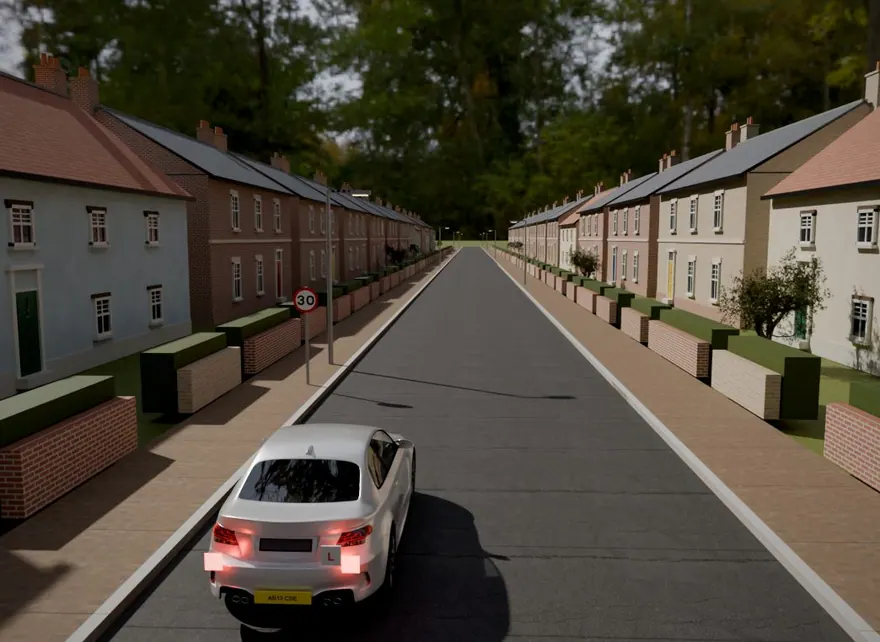
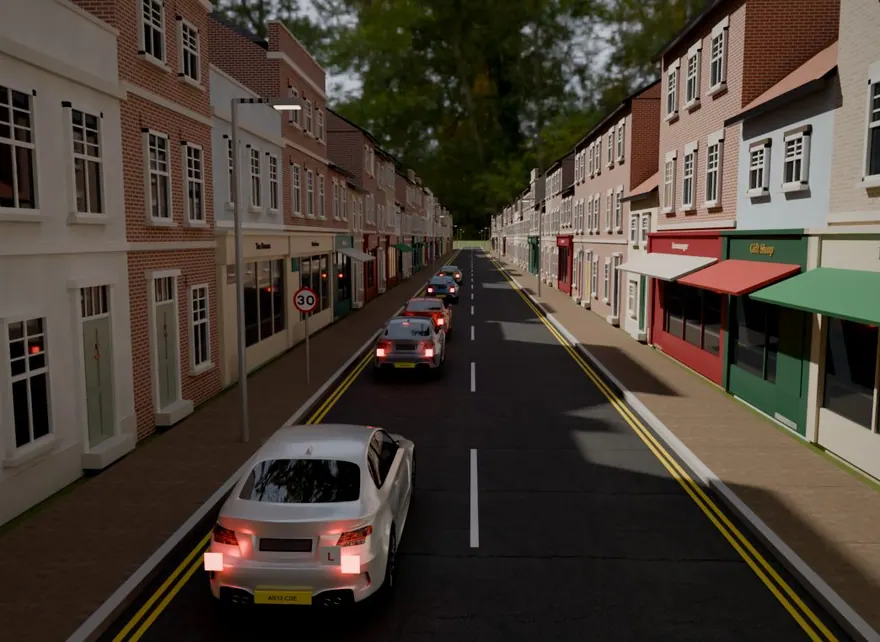
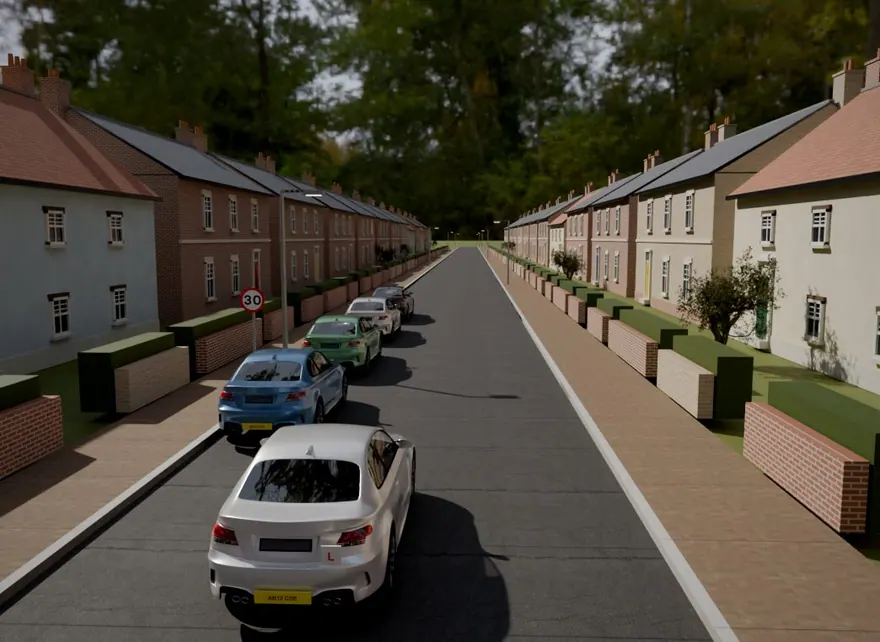
1قبل از حرکت از کنار جاده، آخرین کاری که باید انجام دهید چیست؟Before moving off from the side of the road, what should you do last?
توضیح
قانون 159 ترتیب کارها را نشان میدهد: از همه آینهها استفاده کنید، برای بررسی نقاط کور به اطراف نگاه کنید، در صورت لزوم راهنما بزنید، و سپس قبل از حرکت برای بررسی نهایی به اطراف نگاه کنید. آینهها و راهنما در این ترتیب زودتر میآیند و بوق جزو آن نیست (قانون 112 میگوید بوق را فقط هنگام حرکت و برای هشدار دادن به حضور خود به کار ببرید).Rule 159 gives the order: use all mirrors, look round to check the blind spots, signal if necessary, then look round for a final check before you move. The mirrors and the signal both come earlier in the sequence, and the horn is not part of it (rule 112 says to use it only while moving, to warn others of your presence).
Highway Code rule 159
2شما تازه از یک بزرگراه (motorway) خارج شدهاید، بعد از مسافت طولانی با سرعت 70 mph، و اکنون روی جاده ورودی و خروجی (slip road) هستید. چرا باید سرعتسنج خود را بررسی کنید؟You've just left a motorway after a long stretch at 70 mph and you're now on the slip road. Why should you check your speedometer?
توضیح
در کد راهنمایی و رانندگی بریتانیا (Highway Code) هشدار داده شده که وقتی از بزرگراه خارج میشوید یا از جاده رابط بین بزرگراهها استفاده میکنید، ممکن است سرعت شما بیشتر از آن چیزی باشد که فکر میکنید: سرعت 50 mph ممکن است به نظرتان مثل 30 mph بیاید. سرعتسنج خود را بررسی کنید و سرعت را با جاده تطبیق دهید.The Highway Code warns that when you leave a motorway, or use a link road between motorways, your speed may be higher than you realise: 50 mph may feel like 30 mph. Check your speedometer and slow down to suit the road.
Highway Code (GB) Motorways, rules 253-274: leaving the motorway
3بعد از یک دوره طولانی و گرم و خشک، اولین باران جاده را کمتر لغزنده میکند، زیرا گرد و غبار را میشوید.After a long dry, hot spell the first rain makes the road surface less slippery, because it washes away the dust.
توضیح
قانون 237 هشدار میدهد که سطح جاده در هوای گرم ممکن است نرم شود، و اگر بعد از یک دوره خشک باران ببارد ممکن است لغزنده شود. وقتی اولین باران میبارد، برای کاهش چسبندگی لاستیک آماده باشید.Rule 237 warns that the road surface may become soft in hot weather, and may become slippery if it rains after a dry spell. Be ready for less grip when the first rain falls.
Highway Code (GB) rule 237: hot weather
4شما در سمت چپ جاده پارک کردهاید و میخواهید در سمت راست خود را باز کنید. کد راهنمایی و رانندگی (Highway Code) در صورت امکان کدام دست را پیشنهاد میکند؟You've parked on the left of the road and you're about to open the driver's door on your right. Which hand does the Highway Code suggest you use, where you can?
توضیح
قانون 239 میگوید در صورت امکان باید در را با دستی باز کنید که در سمت مقابل است، مثلاً برای دری که سمت راست است از دست چپ استفاده کنید. با این کار بدن شما میچرخد و دیدن دوچرخهسواران یا ترافیکی که از پشت میآید آسانتر میشود.Rule 239 says that where you can, you should open the door with the hand on the opposite side, e.g. your left hand for a door on your right. This makes you twist round so it's easier to see cyclists or traffic coming from behind.
Highway Code (GB) rule 239: opening doors
5میخواهید از خودروی پارکشده پیاده شوید. قانون 239 کدام دو کار را قبل از باز کردن در به شما میگوید انجام دهید؟You're about to get out of your parked car. Which TWO things does rule 239 tell you to do before you open the door?
همه موارد مناسب را انتخاب کنید
توضیح
قانون 239 میگوید قبل از باز کردن در، با نگاه کردن به همه اطراف و استفاده از آینهها، دوچرخهسواران و سایر ترافیک را بررسی کنید. چراغهای هشدار خطر و بوق، باز کردن در به سمت مسیر دیگران را امن نمیکند.Rule 239 tells you to check for cyclists and other traffic by looking all around and using your mirrors before you open a door. Hazard lights and the horn don't make it safe to open a door into someone's path.
Highway Code (GB) rule 239: getting out of a parked vehicle
6در ترافیک کند و با توقف و حرکت پیاپی هستید. وقتی توقف میکنید، باید چه فاصلهای با خودروی جلویی بگذارید؟You're in slow-moving, stop-start traffic. How much space should you leave behind the vehicle in front when you stop?
توضیح
قانون 151 میگوید هرگز نباید آنقدر نزدیک شوید که نتوانید بهطور ایمن توقف کنید، و باید فاصله کافی بگذارید تا اگر خودروی جلویی خراب شد، بتوانید دور آن بروید.Rule 151 says you should never get so close that you can't stop safely, and should leave enough space to drive round the vehicle in front if it breaks down.
Highway Code (GB) rule 151: slow-moving traffic
7در ترافیک کند، باید فاصله تا خودروی جلویی را کم کنید تا ترافیک روان بماند، اما هرگز آنقدر نزدیک نشوید که نتوانید بهطور ایمن توقف کنید.In slow-moving traffic you should close up the gap to the vehicle ahead to keep the traffic flowing, but never get so close that you couldn't stop safely.
توضیح
هم کد راهنمایی و رانندگی بریتانیا و هم کد راهنمایی و رانندگی ایرلند شمالی (قانون 151) میگویند فاصله تا خودروی جلویی را کم کنید تا ترافیک در حرکت بماند. همچنین میگویند هرگز آنقدر نزدیک نشوید که نتوانید بهطور ایمن توقف کنید.Both the GB and Northern Ireland Highway Codes (rule 151) say you should reduce the distance to the vehicle ahead to keep traffic moving. They also say you should never get so close that you can't stop safely.
Highway Code rule 151 (GB and NI): slow-moving traffic
8شما آهسته در یک خیابان مسکونی که دو طرفش خودروی پارکشده است رانندگی میکنید. قانون 152 کدام دو خطر را به شما میگوید مراقبشان باشید؟You're driving slowly down a residential street lined with parked cars. Which TWO hazards does rule 152 tell you to look out for?
همه موارد مناسب را انتخاب کنید
توضیح
قانون 152 میگوید در خیابانهای مسکونی آهسته و با دقت رانندگی کنید. مراقب خودروهایی باشید که از کنار جاده بیرون میآیند یا راه میافتند، درهای خودروها که باز میشوند، عابران پیاده و کودکانی که از بین خودروهای پارکشده بیرون میدوند.Rule 152 says to drive slowly and carefully on residential streets. Look out for vehicles emerging or moving off, car doors opening, pedestrians, and children running out from between parked cars.